Surgery preparation
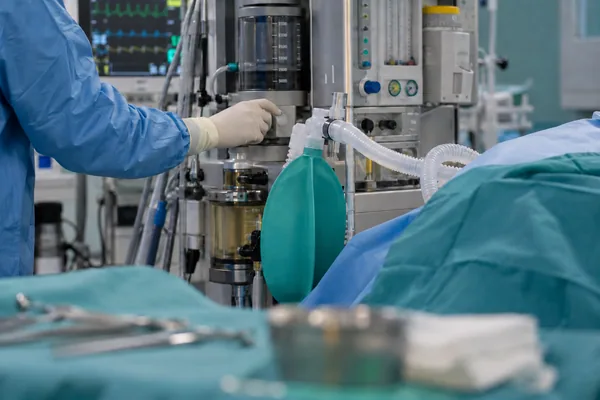
Anaesthesia for orthopaedic surgery: questions to ask
Anaesthesia is planned according to the operation, your health and the anaesthetist’s assessment.
Read the guide →The patient guide · 100 articles
Find answers by symptom, diagnosis, treatment or stage of recovery. Written for patients preparing for orthopaedic care in Delhi.
About Dr Shahrukh Khan →Anaesthesia is planned according to the operation, your health and the anaesthetist’s assessment.
Read the guide →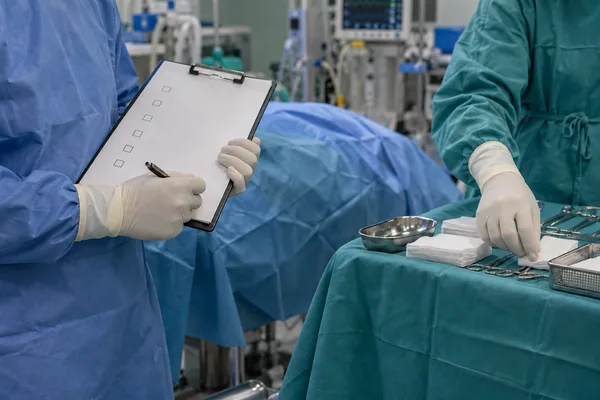
Good preparation means understanding the operation, following hospital instructions and arranging the help you will need afterwards.
Read the guide →
A cast protects an injury while it heals.
Read the guide →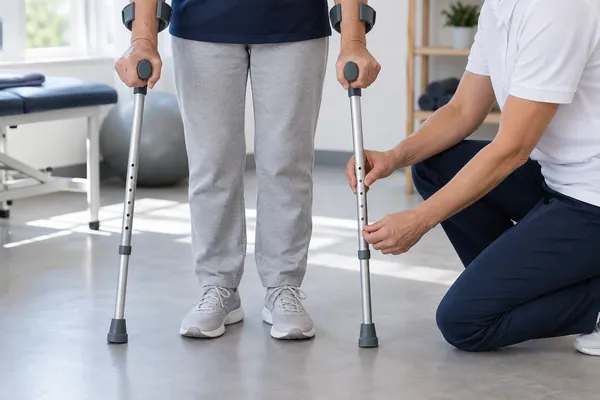
The right walking aid depends on balance, arm strength and how much weight your injured leg may take.
Read the guide →
New pain and swelling in one leg can be a sign of deep vein thrombosis, particularly after surgery or reduced mobility.
Read the guide →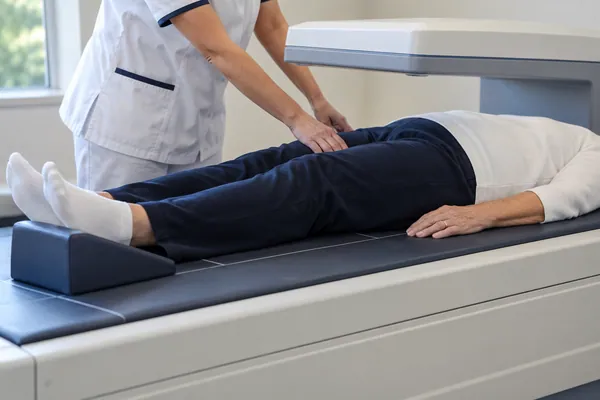
A DEXA scan uses a low dose of X-rays to measure bone mineral density.
Read the guide →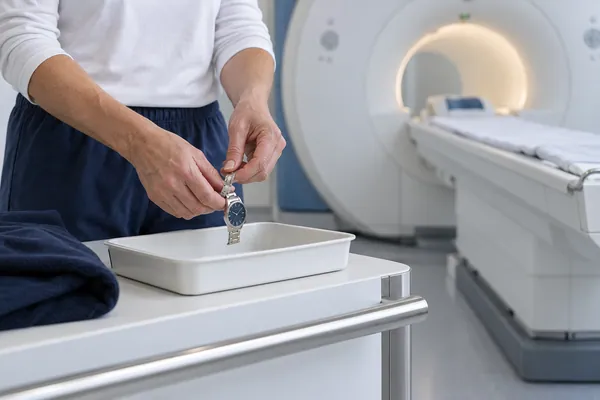
MRI uses a magnetic field and radio waves to produce detailed images.
Read the guide →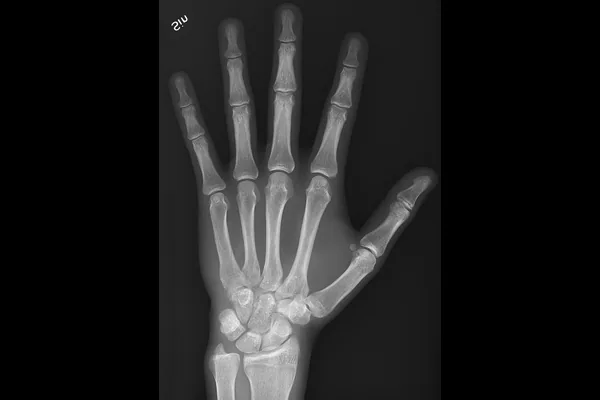 Teaching X-ray · Mikael Häggström, M.D. · CC0 1.0. Full credit in article.
X-rays create images using a small amount of radiation and are often used to assess bones and joints.
Read the guide →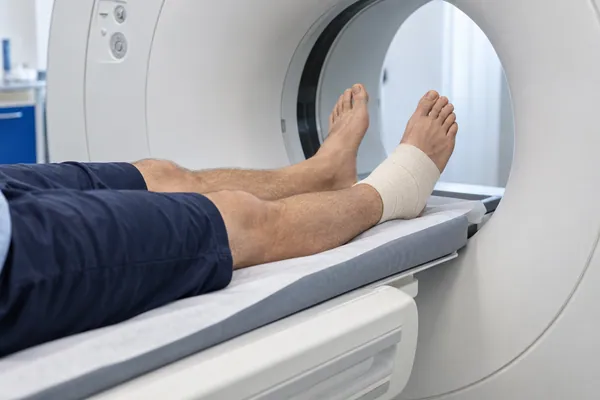
CT uses X-rays and computer processing to make detailed cross-sectional images.
Read the guide →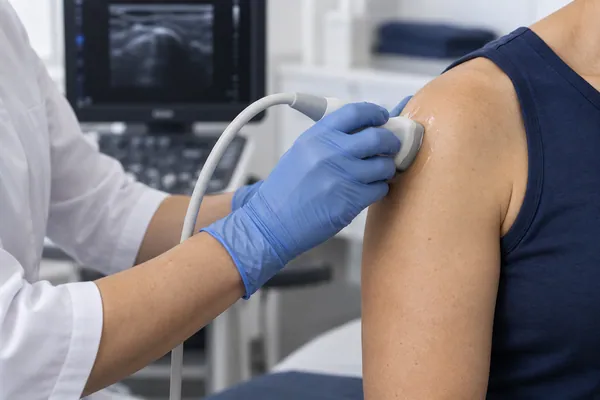
Ultrasound uses sound waves to create images and does not use X-ray radiation.
Read the guide →
Repeated falls deserve assessment even when no bone is broken.
Read the guide →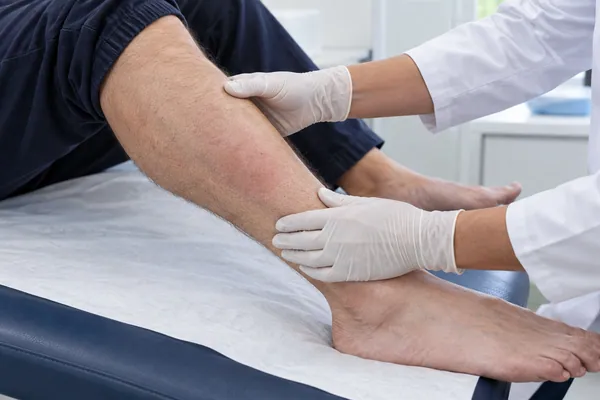
Osteomyelitis is an infection of bone.
Read the guide →Patient education approved for publication by Dr Shahrukh Khan. These guides cannot diagnose your symptoms or replace a consultation. Read our editorial policy. Images include AI-generated illustrations and credited teaching X-rays.