
Understanding the problem
A useful review asks how the fall happened and whether there was dizziness or loss of consciousness. An unexplained collapse should not simply be labelled clumsiness. Previous falls can also affect confidence and reduce everyday activity.
Care and next steps
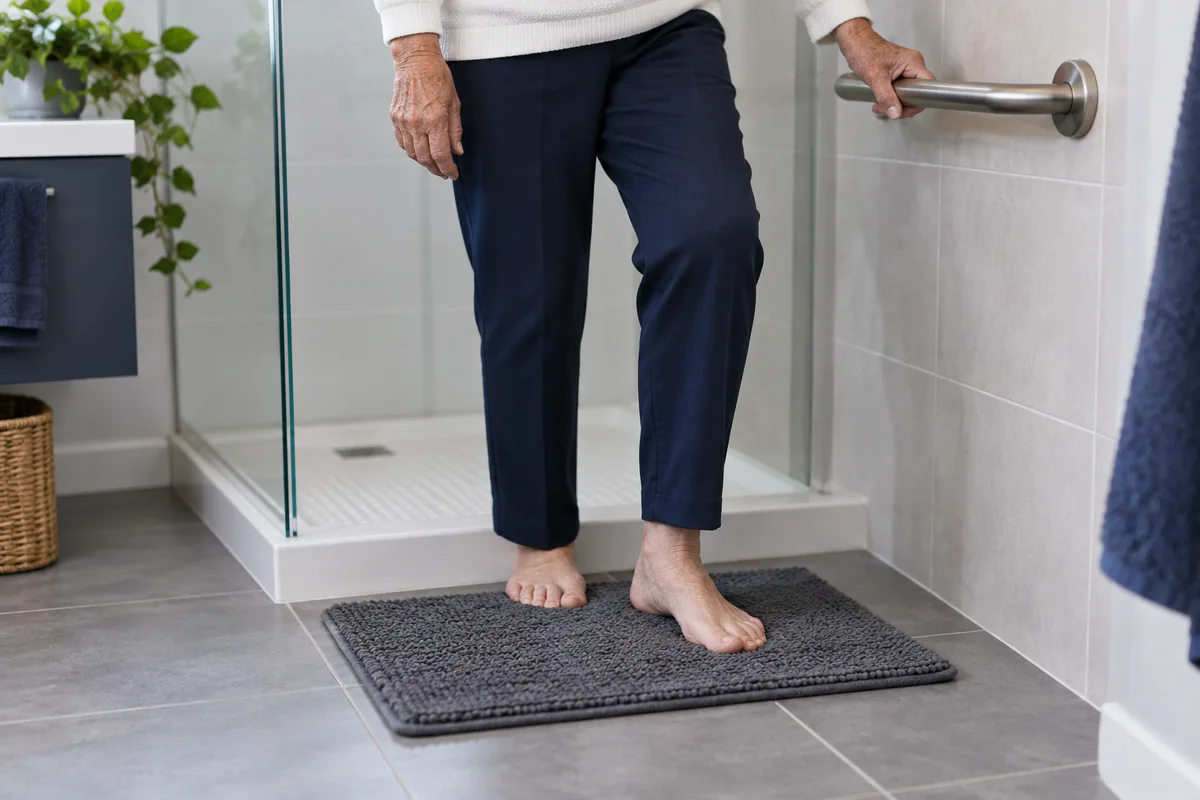
A clinician may recommend a medication review, strength and balance work and adjustments at home. Improve lighting and remove trip hazards. Walking aids should be selected and fitted appropriately rather than purchased only on the basis of age.
Prepare for your consultation
Write down recent falls and near misses, including the time, footwear and what you were doing. Bring a medication list and explain any fear of walking alone. A family member can help describe the home layout, but the patient's own priorities should guide the plan. Ask which changes to make first and who will check whether the plan is helping.
Common questions
Is a fall still worth discussing if I was not injured?
Yes. It can identify opportunities to reduce the risk of another fall.
Medical sources & further reading
This patient education guide was approved for publication by Dr Shahrukh Khan on 11 September 2026. It cannot diagnose your symptoms or replace a personalised clinical assessment. Editorial policy · About the doctor.