
Understanding the problem
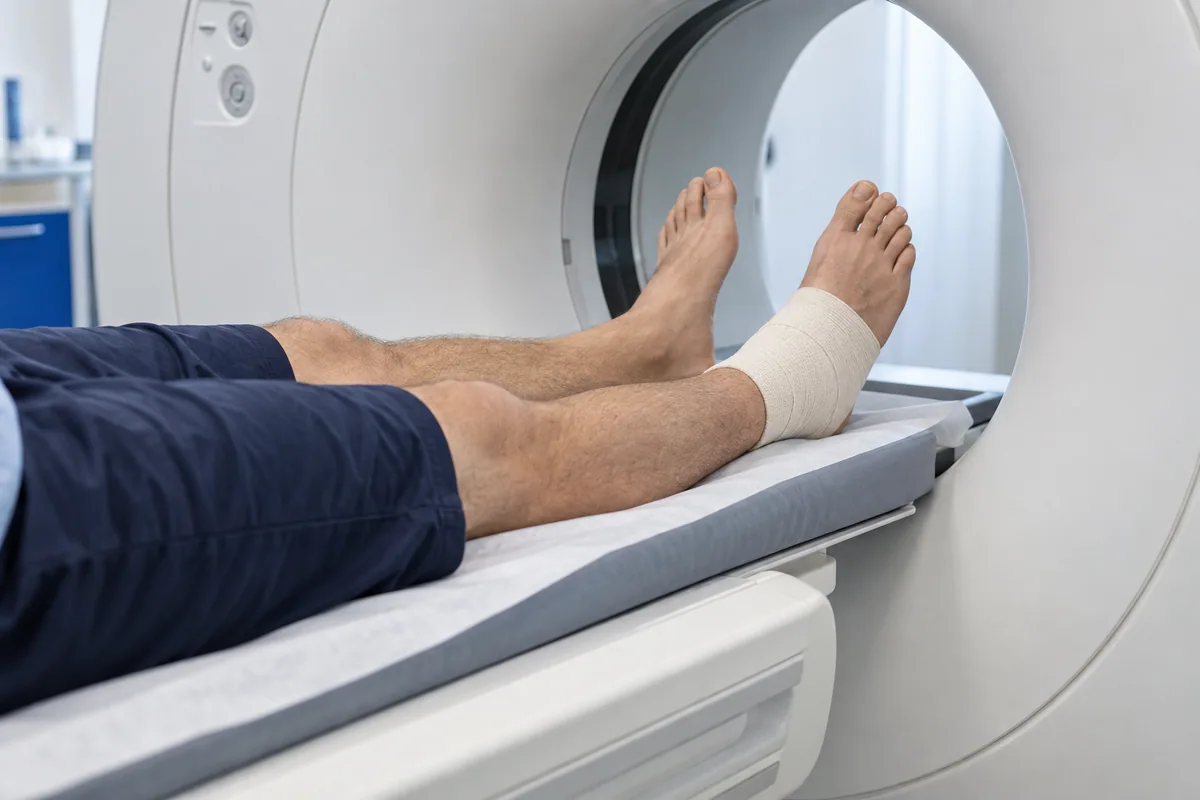
You usually lie on a moving table that passes through the scanner. Some scans use contrast, which requires additional screening. The team should know about pregnancy, allergies, kidney problems and your medicines where relevant to the planned examination.
Care and next steps
Follow the scan centre's preparation instructions; these depend on the examination and whether contrast is used. Remain still as directed. If a CT has already been performed elsewhere, obtain the images before assuming another scan is necessary.
Prepare for your consultation
At the referral visit, ask whether the scan is for diagnosis, surgical planning or another question. Confirm the body part and side on the request. Keep the report with the original images and arrange the follow-up where they will be discussed. Do not change medication or fast based on general online advice; use the instructions from the team arranging your particular test.
Common questions
Does every fracture need a CT scan?
No. The clinician decides whether additional detail is needed for your specific injury.
Medical sources & further reading
This patient education guide was approved for publication by Dr Shahrukh Khan on 11 September 2026. It cannot diagnose your symptoms or replace a personalised clinical assessment. Editorial policy · About the doctor.