
Understanding the problem
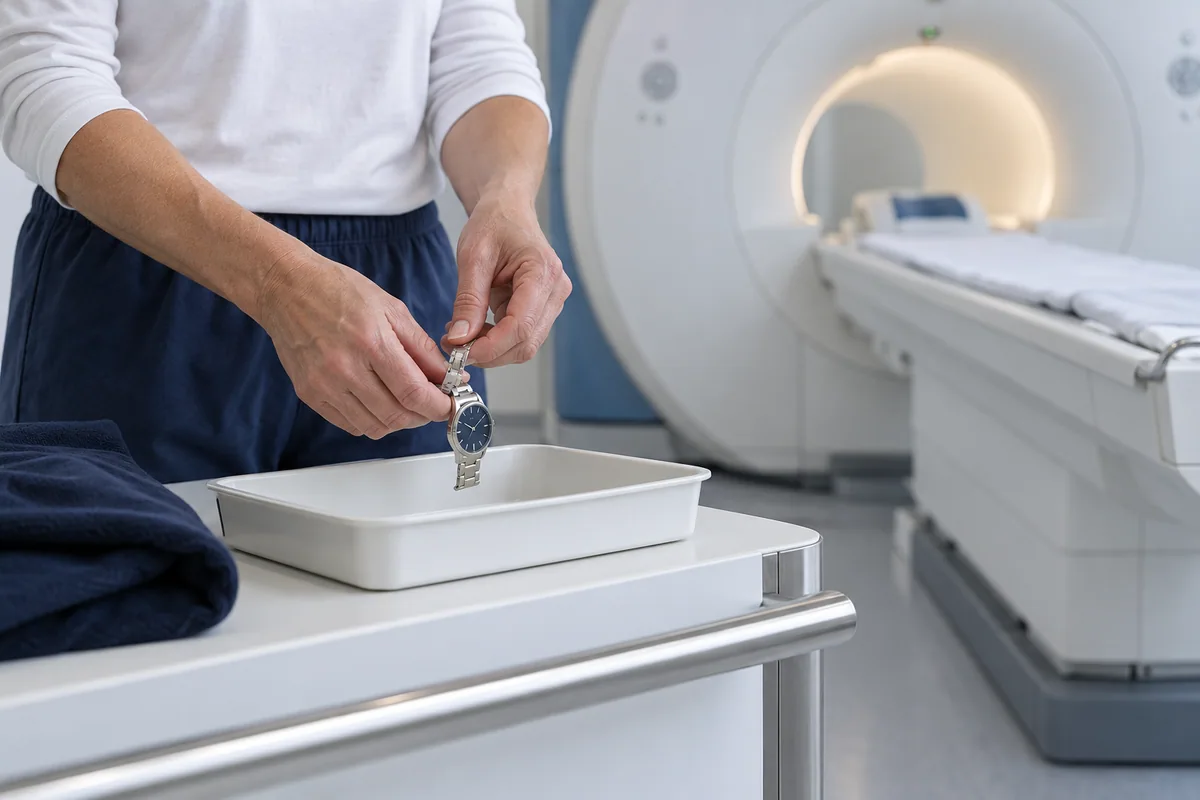
The scanner is noisy and you need to remain still. Some examinations use contrast. The imaging team must know about implants, metal fragments, pregnancy and relevant health conditions before deciding how to perform the examination safely.
Care and next steps
Tell the centre early if you are anxious about enclosed spaces or have difficulty lying flat. Do not assume all implants prevent MRI; provide the exact device information for screening. Follow the centre's instructions about clothing, food and medicines.
Prepare for your consultation
Ask your clinician which question the scan is meant to answer. When collecting results, request access to both the images and written report. Bring earlier scans to the follow-up if possible. An unfamiliar word on a report can be worrying, so write down your questions and ask which findings actually match your symptoms before making a treatment decision.
Common questions
Does an abnormal MRI automatically mean I need surgery?
No. The findings need to be considered alongside symptoms, examination and treatment choices.
Medical sources & further reading
This patient education guide was approved for publication by Dr Shahrukh Khan on 11 September 2026. It cannot diagnose your symptoms or replace a personalised clinical assessment. Editorial policy · About the doctor.