
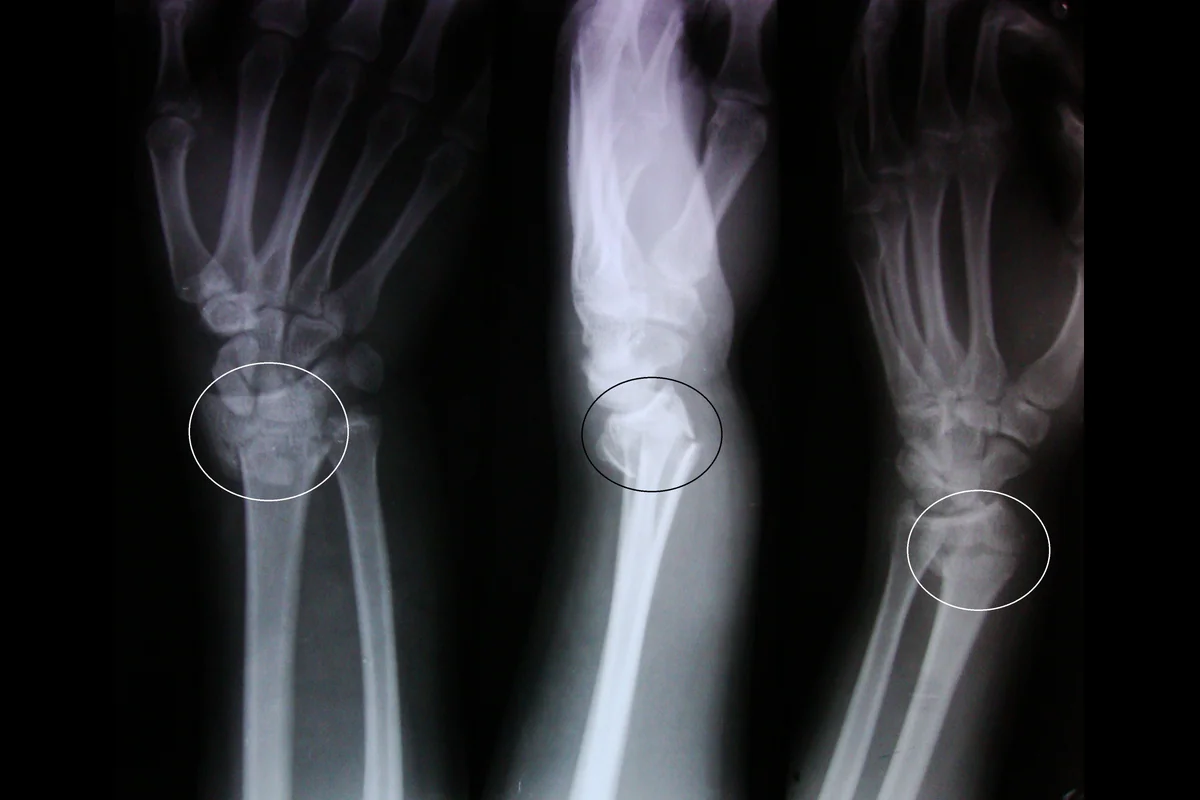
Understanding the problem
It can be difficult to distinguish a fracture from a severe sprain by symptoms alone. The clinician checks alignment, circulation and sensation. Treatment depends on the break and may involve a splint, cast, realignment or surgery.
Care and next steps
Follow the specific support and movement instructions. Worsening pain, finger colour changes, numbness or a damaged cast needs reassessment. Recovery includes restoring movement and function after the initial protection period; pain settling does not automatically mean unrestricted lifting is safe.
Prepare for your consultation
Bring the first X-rays, discharge note and any later images in date order. Explain your dominant hand and the tasks needed for work or caregiving. Ask when alignment will be checked, which fingers or joints may move and how to protect the cast. For a low-impact fall, ask whether bone health should also be assessed rather than considering the wrist in isolation.
Bring hand function into follow-up
Tell the clinician whether this is your dominant hand and whether your work involves tools, keyboard use or lifting. Ask about safe finger movement and when the wrist itself can begin rehabilitation. Keep any previous X-rays so alignment can be compared across visits.
Before leaving the fracture clinic
Use these questions to make the consultation specific to your situation.
- When is the next X-ray or review needed?
- What changes in sensation, swelling or finger colour require urgent assessment?
- What help will I need with washing and dressing?
Common questions
Can I move a wrist that is fractured?
Sometimes. Movement does not reliably exclude a fracture after injury.
Medical sources & further reading
These updates are awaiting medical review by Dr Shahrukh Khan. It cannot diagnose your symptoms or replace a personalised clinical assessment. Editorial policy · About the doctor.