Understanding the problem
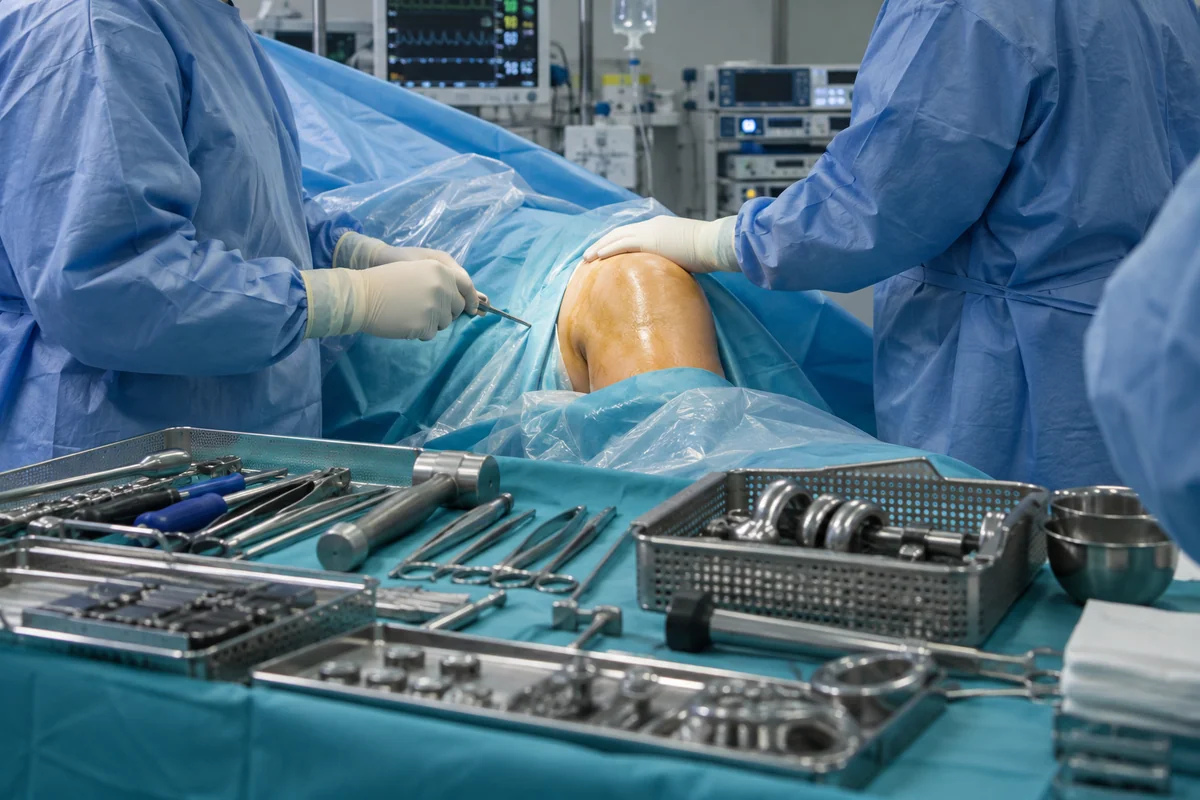
Revision can be more complex than the first operation because bone, soft tissue and implant issues need careful planning. Assessment may include imaging and tests for infection. The cause of the problem determines the proposed treatment.
Care and next steps
Not all painful replacements require another operation. If revision is recommended, ask which components need changing and what improvement is realistic. Infection-related treatment may require a different sequence from revision for mechanical problems.
Prepare for your consultation
Collect the original operation note, implant details, discharge summary and all later imaging. List previous infections, antibiotics and additional procedures. Bring a timeline of symptoms, including whether the knee ever felt satisfactory after the first operation. Ask what investigations remain, how many stages are anticipated and what support will be needed during recovery. A complete record can prevent important details being lost between hospitals.
Common questions
Does persistent pain prove the implant is loose?
No. Several causes are possible, and the reason must be established before choosing treatment.
Medical sources & further reading
This patient education guide was approved for publication by Dr Shahrukh Khan on 11 September 2026. It cannot diagnose your symptoms or replace a personalised clinical assessment. Editorial policy · About the doctor.