
The short answer
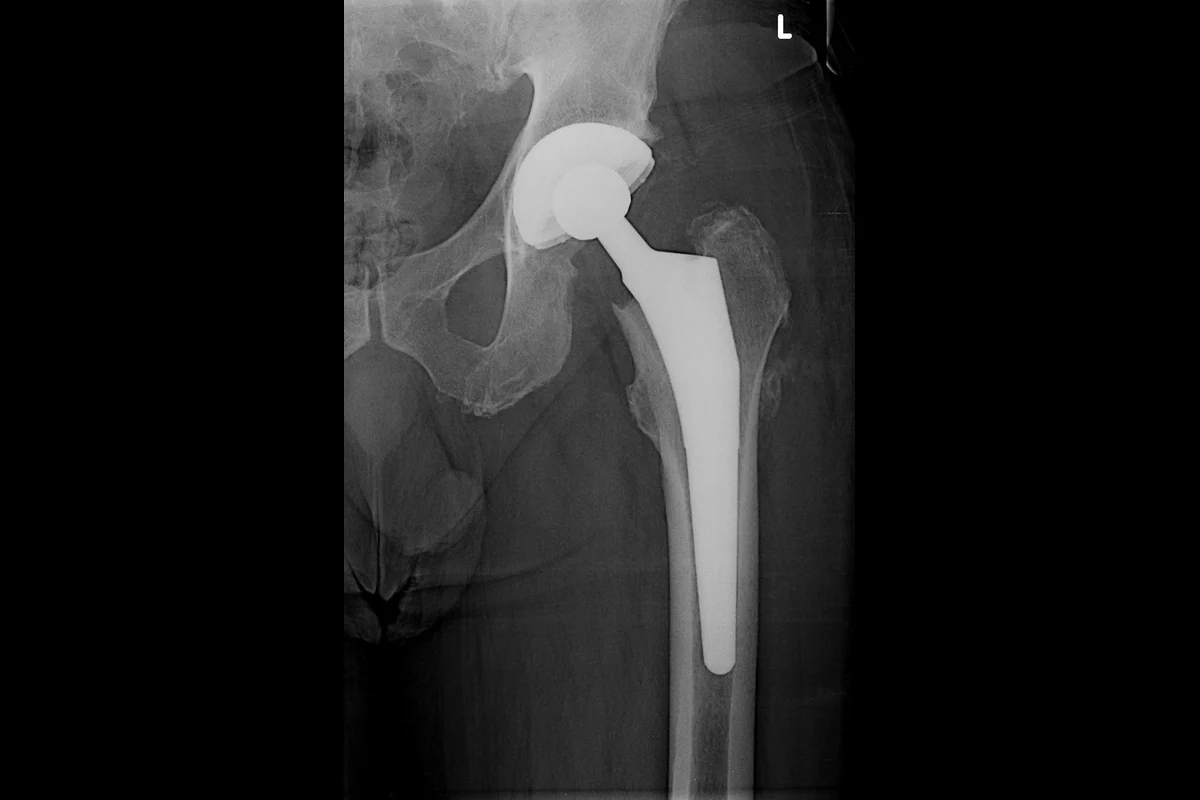
Hip replacement replaces damaged parts of the hip’s ball-and-socket joint with artificial components. It may be appropriate for severe joint damage from arthritis or avascular necrosis when pain and restricted function justify surgery after an individual assessment.
Start with the cause of hip pain
Pain around the groin, buttock or thigh can have several explanations. Arthritis involves damage to the joint surfaces; avascular necrosis, also called osteonecrosis, affects the blood supply to the femoral head. These diagnoses can lead to different choices. Describe the location of your pain, its effect on walking and whether everyday tasks such as putting on shoes or getting into a car have changed.
AVN does not automatically mean replacement
The stage and extent of osteonecrosis matter. Before the femoral head collapses, selected patients may be considered for procedures intended to preserve the joint, including core decompression. Once substantial collapse and joint damage occur, replacement may become more relevant. X-rays and, when appropriate, MRI help establish the picture. Ask what stage has been identified and how that changes the options.
Medical background: [2]
What does hip replacement involve?
The damaged ball and socket surfaces are replaced with artificial components. The choice of implant fixation, bearing and surgical approach depends on the patient and the planned operation. Replacement is generally considered when pain and loss of function justify surgery after assessment of other options. A particular implant brand or approach, on its own, does not establish which plan is right for you.
Medical background: [1]
Make the decision around your daily needs
Explain what you hope to regain and what would count as worthwhile improvement. A younger person returning to a demanding job may have different questions from an older person seeking safer household mobility. Ask about suitable non-surgical care, the likely effect of postponing treatment and the limitations of surgery. Bring a family member if they will help with recovery, so practical concerns can be discussed together.
- List earlier treatment and whether it changed your walking or sleep.
- Bring imaging, medication details and records of previous hip injuries or operations.
- Describe home access, stairs, seating and support available after discharge.
Recovery involves more than the operation
The hospital team helps you begin safe movement and walking with support. Rehabilitation then builds the movement and strength needed for everyday activities. Recovery often takes several months. Any hip-position precautions should come from your surgeon and physiotherapist because they depend on the operation and your circumstances. Follow that plan rather than combining conflicting online exercise lists.
- Clarify how to sit, get into bed and use the toilet safely.
- Ask when walking aids and restrictions will be reviewed.
- Discuss a realistic plan for work, travel and driving.
Medical background: [3]
Discuss complications before consenting
Risks include infection, dislocation, blood clots and differences in leg length, among other complications. Ask how your own health and previous surgery affect the risk discussion. Increasing wound redness, discharge, fever or new calf swelling need urgent medical advice. Sudden breathlessness or chest pain warrants emergency care. Request clear aftercare contacts before leaving hospital.
Medical background: [1]
Plan your Delhi consultation
Choose the clinic that is easiest to reach for both the first visit and follow-up. Bring the imaging itself where possible, not only a photograph of the report. Ask for a written explanation of the recommended next step and an itemised estimate if an operation is proposed. Appointment calls are available on 9217328011 from 12 PM to 8 PM; WhatsApp requests use 9711735864.
Watch Dr Shahrukh explain
Common questions
Can early AVN be treated without hip replacement?
Sometimes. The stage, location of damage and symptoms determine whether joint-preserving care is an option.
Can I select the operation from the MRI report alone?
No. Imaging needs to be interpreted alongside symptoms, examination and your goals.
Are all movement precautions the same?
No. Follow the instructions given for your operation and ask the team before changing them.
What should an estimate include?
Ask about the implant, hospital charges, rehabilitation, follow-up and items excluded from the estimate.
Medical sources & further reading
This patient education guide was approved for publication by Dr Shahrukh Khan on 11 September 2026. It cannot diagnose your symptoms or replace a personalised clinical assessment. Editorial policy · About the doctor.