
Understanding the problem
A preoperative visit may include tests and review of your general health. Share all medicines, allergies and previous anaesthetic problems. The team decides which medicines need changes; do not stop prescribed treatment on your own.
Care and next steps
Ask for the recommended preoperative exercises and any limits. Discuss smoking, weight or other health factors without relying on a last-minute crash programme. If a new illness or skin problem develops before surgery, contact the team for advice.
Prepare for your consultation
List the rooms and stairs you will use after discharge. Arrange help with meals, shopping and transport, and place frequently used items within easy reach. Confirm the admission location, contact person and follow-up arrangements. Keep written medication and fasting instructions separate from general internet advice. If a family member will help, include them in the planning discussion and make sure both of you understand the same instructions.
Practise the home journey before admission
Describe the route from your bed to the bathroom, the height of your usual chair and whether stairs are unavoidable. Ask the rehabilitation team to plan these specific tasks. Arrange someone to collect medicines and accompany you to the first follow-up.
Resolve these details before admission
Use these questions to make the consultation specific to your situation.
- Who provides written instructions for regular medicines?
- Will I need a walking aid or temporary toilet arrangement?
- Which number should my family call for a wound concern after discharge?
Common questions
Should I stop regular medicines before the operation?
Only according to the surgical or anaesthetic team’s specific instructions.
Medical sources & further reading
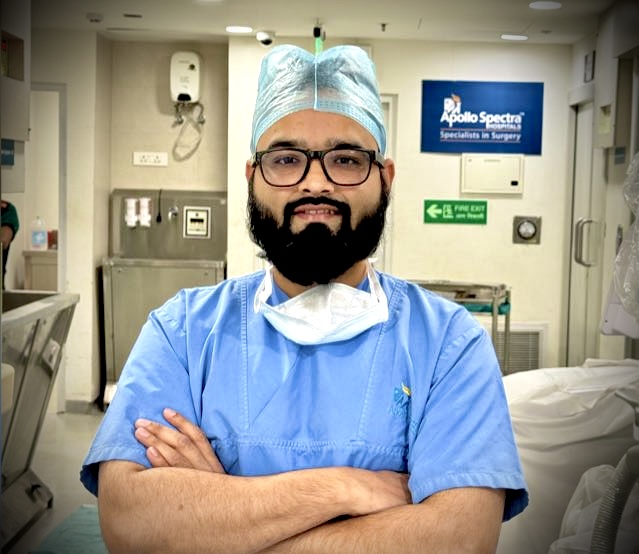
These updates are awaiting medical review by Dr Shahrukh Khan. It cannot diagnose your symptoms or replace a personalised clinical assessment. Editorial policy · About the doctor.