Understanding the problem
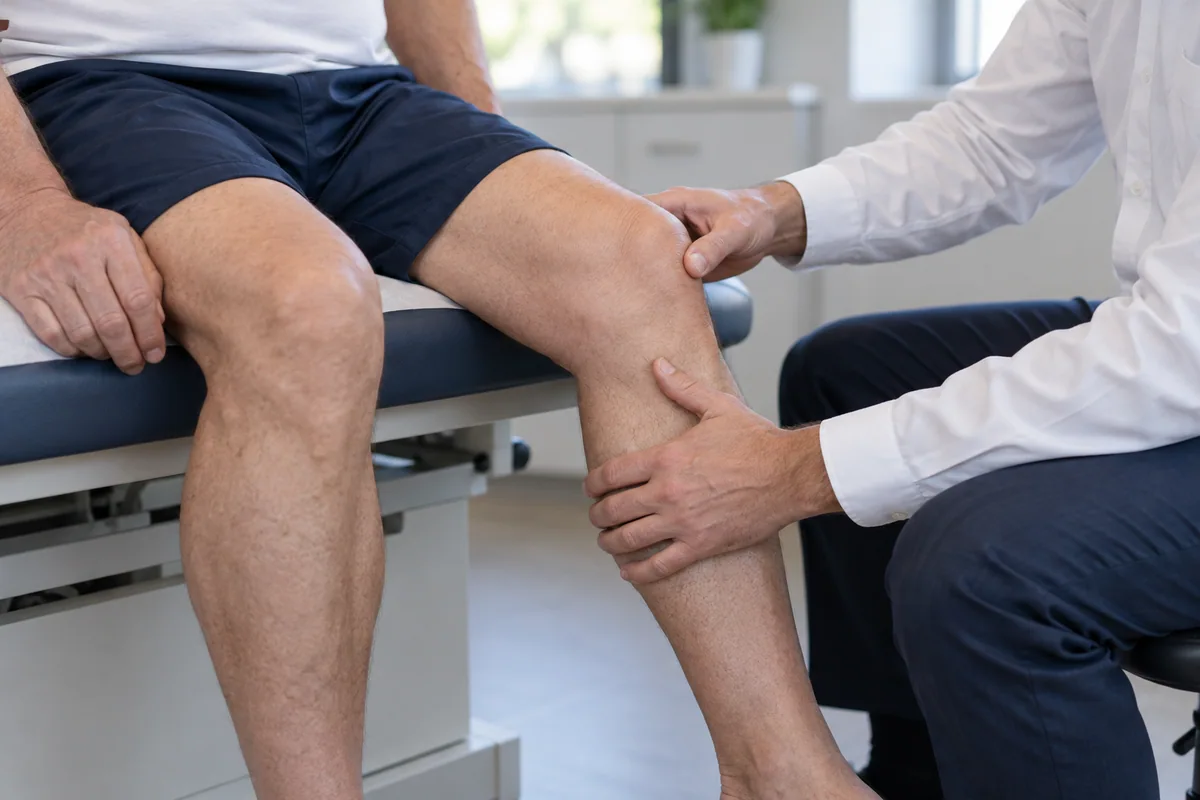
The surgeon considers which compartments are affected, ligament function, movement and deformity. A partial replacement preserves more unaffected structures but does not address arthritis elsewhere in the knee. The potential benefits and chance of needing further treatment should be discussed together.
Care and next steps
Ask which option fits your knee and why. A faster early recovery should not be the only factor in the decision. If the plan could change during surgery, understand the circumstances and discuss consent beforehand.
Prepare for your consultation
Bring current weight-bearing X-rays if already available and describe your main functional limitations. Ask the surgeon to show which part of the joint is affected. Compare the expected rehabilitation, restrictions and follow-up for each option. Request an estimate that identifies the proposed implant and hospital costs. Write down what would make you a poor candidate for partial replacement so the choice is clear rather than based on marketing language.
Ask why the smaller operation fits your knee
Ask your surgeon to show which joint compartments are damaged and explain how ligament function affects the options. Partial replacement and total replacement are not interchangeable choices based only on incision size. Ask what would make the surgeon change the proposed plan.
Compare the whole treatment pathway
Use these questions to make the consultation specific to your situation.
- What findings support partial replacement in my case?
- What are the limitations and possibility of later revision?
- How would my existing stiffness affect the expected result?
Common questions
Is partial replacement always better because it is smaller?
No. It is helpful only when the arthritis pattern and other clinical factors make it appropriate.
Medical sources & further reading
These updates are awaiting medical review by Dr Shahrukh Khan. It cannot diagnose your symptoms or replace a personalised clinical assessment. Editorial policy · About the doctor.