
Understanding the problem
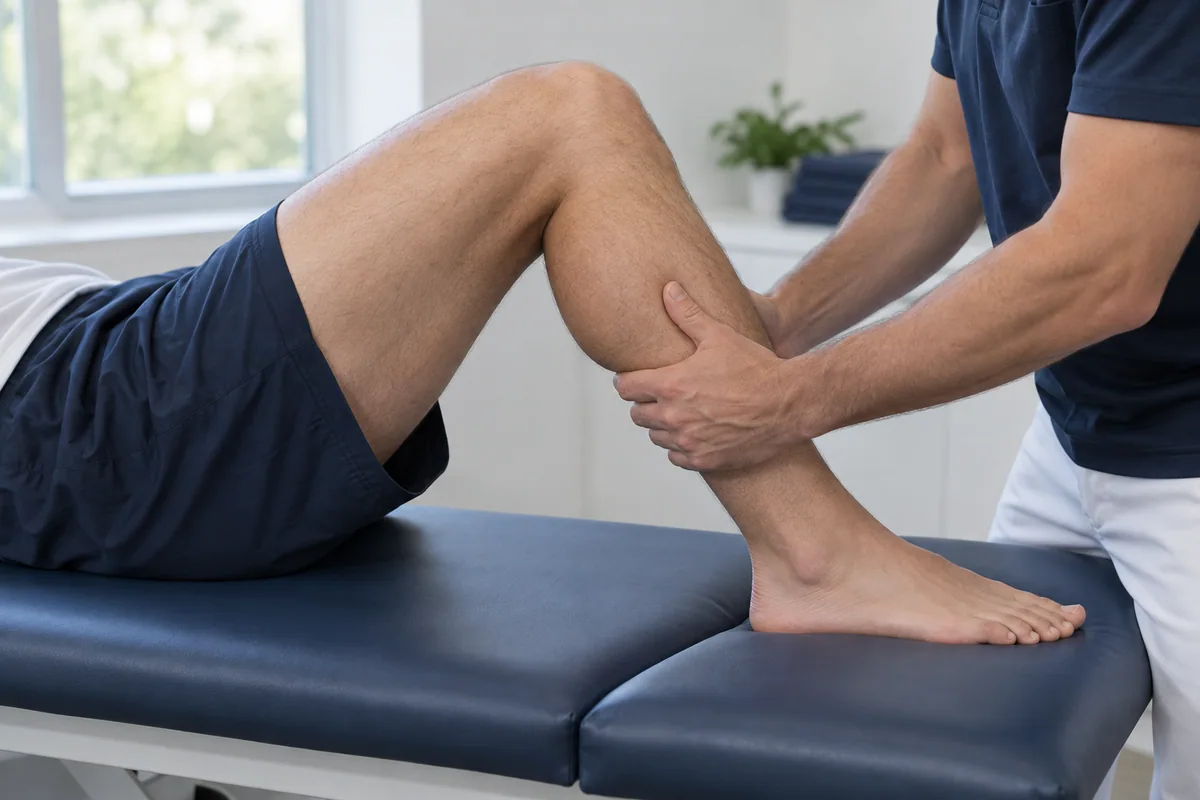
Symptoms may include pain, swelling or instability, but can be less obvious than expected. Examination checks the PCL and other knee structures. Tell the clinician about the mechanism, particularly an impact during a road accident or sport.
Care and next steps
Treatment may be non-surgical or surgical depending on the injury pattern and symptoms. Rehabilitation precautions can differ from those used for other ligament injuries. Do not assume that an ACL exercise programme is interchangeable with a PCL programme.
Prepare for your consultation
Bring all trauma records and describe any continuing difficulty on slopes, stairs or while slowing down. Ask whether other ligaments are involved and what each part of the rehabilitation programme is designed to achieve. Request specific instructions for the brace and permitted activity. If your knee feels increasingly unreliable, discuss it before returning to demanding work or sport.
Common questions
Is a PCL tear simply another name for an ACL tear?
No. They are different ligaments with different functions and potentially different treatment requirements.
Medical sources & further reading
This patient education guide was approved for publication by Dr Shahrukh Khan on 11 September 2026. It cannot diagnose your symptoms or replace a personalised clinical assessment. Editorial policy · About the doctor.