The short answer
An ACL injury can cause swelling, a popping sensation and a knee that gives way, particularly after twisting or changing direction. These symptoms need assessment; they cannot confirm a tear by themselves. Treatment depends on stability, associated injuries and activity goals.
What the ACL does and how an injury is assessed
The anterior cruciate ligament connects the thighbone and shinbone and contributes to knee stability. A twisting injury may cause a pop, swelling or giving way, but those symptoms are not a diagnosis by themselves. Examination assesses movement and stability. MRI can help identify the ligament injury and associated damage to the meniscus, cartilage or other ligaments.
Medical background: [1]
The choice is guided by instability and your goals
Treatment is individual. Some patients can work towards acceptable function with rehabilitation and changes to activity. Recurrent giving way, demanding pivoting activities and associated injuries can influence a discussion about reconstruction. Ask how the options apply to your knee rather than deciding from age, an MRI phrase or another player’s experience alone.
Medical background: [1]
Repair and reconstruction are different procedures
Reconstruction uses a tissue graft to replace the damaged ligament. Repair aims to preserve and reattach selected injured tissue and is not suitable for every tear. If reconstruction is proposed, discuss the source of the graft, expected benefits, possible problems and how the plan accounts for other injuries. The procedure name should be clear in your treatment explanation and estimate.
Medical background: [2]
Preparation includes the knee and your daily life
Before choosing a date, ask how swelling, movement and strength will be managed and what preparation is appropriate. Explain whether your work involves ladders, uneven ground, lifting or prolonged travel. A student may need help getting between classes; a parent may need support with childcare. These are useful planning questions, not reasons to copy someone else’s recovery timetable.
- Bring previous injury records and the actual MRI images if available.
- Describe giving-way episodes, locking and activities you avoid.
- Write down your work and sporting goals in order of importance.
Rehabilitation continues for months
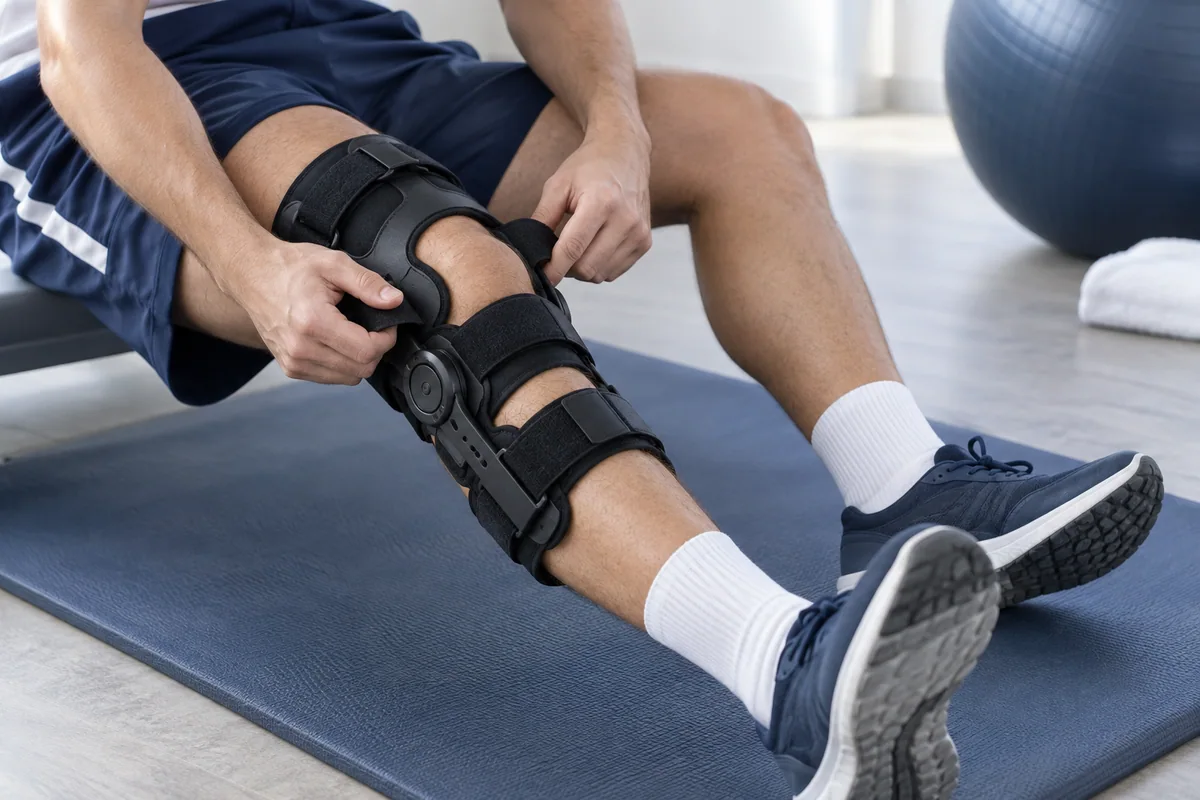
After reconstruction, a physiotherapist guides movement, strength and progressively more demanding activity. Crutches or a brace may be prescribed according to the operation and any associated repair. Use and discontinue them as instructed. Recovery from surgery and readiness for pivoting sport are separate milestones; returning to sport can take up to a year and sometimes longer.
Medical background: [3]
Plan review points rather than a single return date
Ask which findings the surgeon and physiotherapist will use to assess progress, including symptoms, movement, strength and control during relevant tasks. Confirm when running, changing direction and contact training can each be discussed. Write down who makes the final clearance decision. Persistent swelling or episodes of giving way should be reported, not hidden to meet a competition deadline.
Risks, follow-up and consultation questions
Ask about infection, stiffness, ongoing symptoms and graft-related problems before agreeing to surgery. After an operation, fever, wound discharge, worsening pain or new calf swelling need prompt medical advice; sudden chest pain or breathlessness needs emergency care. Keep the discharge instructions and contact details accessible. A follow-up plan should also cover any meniscus or additional ligament procedure.
- Why is rehabilitation alone or reconstruction being recommended for my knee?
- If another structure is repaired, how will the restrictions change?
- What is included in the estimate, and how is physiotherapy arranged?
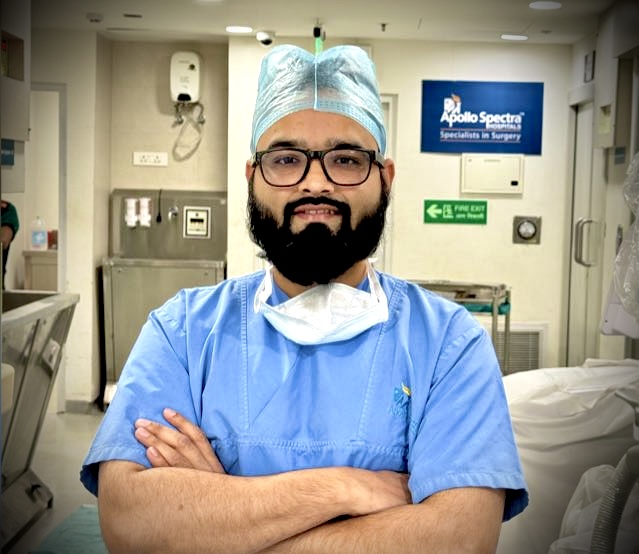
Watch Dr Shahrukh explain
Common questions
Does an ACL tear always need surgery?
No. Knee stability, activity demands, associated injuries and your preferences inform the choice.
Can I diagnose a tear from a pop?
No. A pop is one clue among several and needs clinical assessment.
Is ACL repair another name for reconstruction?
No. Ask which procedure is proposed, what it involves and why it suits the injury.
Is comfortable walking enough to return to football?
No. Walking and pivoting sport place different demands on the knee. Follow the agreed rehabilitation and clearance process.
Medical sources & further reading
- AAOS: ACL injuries — updated plain-language summary
- NHS: How ACL surgery is done
- NHS: Recovery after ACL surgery
This patient education guide was approved for publication by Dr Shahrukh Khan on 11 September 2026. It cannot diagnose your symptoms or replace a personalised clinical assessment. Editorial policy · About the doctor.