Understanding the problem
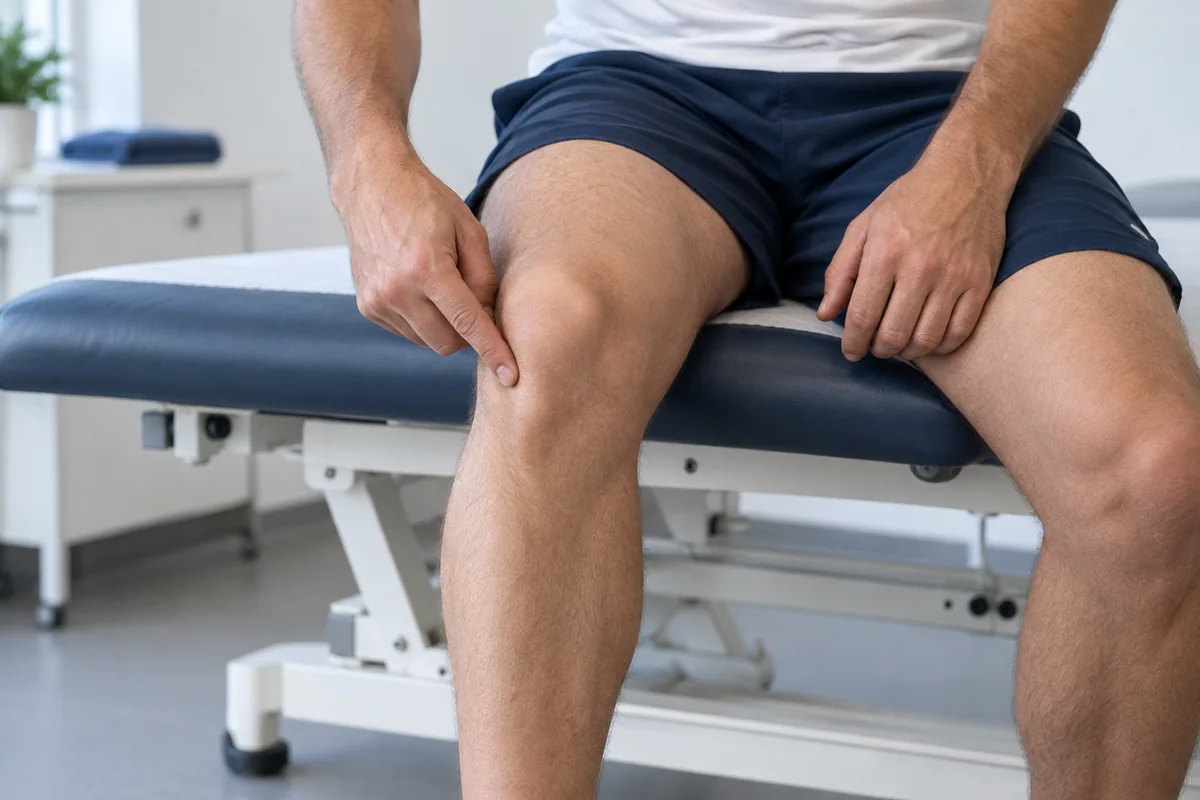
The knee may feel stiff, click or give way. A clinician examines the joint and considers whether imaging is needed. Being unable to straighten the knee, severe pain or difficulty bearing weight warrants prompt assessment. Do not keep forcing a painful, blocked movement while waiting for a routine appointment.
Care and next steps
Some tears improve with time and rehabilitation. Selected injuries may need arthroscopy to repair or remove damaged tissue. Ask why a particular approach is recommended and what recovery it involves. Repair and removal are different procedures and may have different rehabilitation instructions.
Prepare for your consultation
Describe the injury, when swelling appeared and whether movement is truly blocked or simply painful. Bring any MRI images as well as the report. Ask what a non-surgical trial would involve, how improvement will be measured and when to reassess. If surgery is discussed, request the proposed procedure name and instructions for work, stairs and transport so you can plan realistically.
Know whether tissue will be preserved or removed
If surgery is proposed, ask whether the plan is repair or trimming and whether the final decision may depend on findings during arthroscopy. The aftercare is not interchangeable. Ask how the plan relates to the tear pattern, symptoms and any arthritis.
Before agreeing to arthroscopy
Use these questions to make the consultation specific to your situation.
- Why is rehabilitation alone insufficient in my situation?
- What restrictions would follow a repair compared with trimming?
- How will any unexpected change in the procedure be explained to me?
Common questions
Does every tear shown on MRI need surgery?
No. Symptoms, examination, tear characteristics and response to appropriate rehabilitation guide the decision.
Medical sources & further reading
These updates are awaiting medical review by Dr Shahrukh Khan. It cannot diagnose your symptoms or replace a personalised clinical assessment. Editorial policy · About the doctor.