Compare the options at your consultation
These are discussion prompts. Not every option will be suitable for your diagnosis.
| Option | What to ask |
|---|---|
| Rehabilitation | What is a reasonable non-surgical plan for this diagnosis? |
| Tissue repair | What will be repaired, and which restrictions protect it? |
| Tissue removal or trimming | What will be removed, and what benefit is expected? |
Arthroscopy describes an approach, not one operation
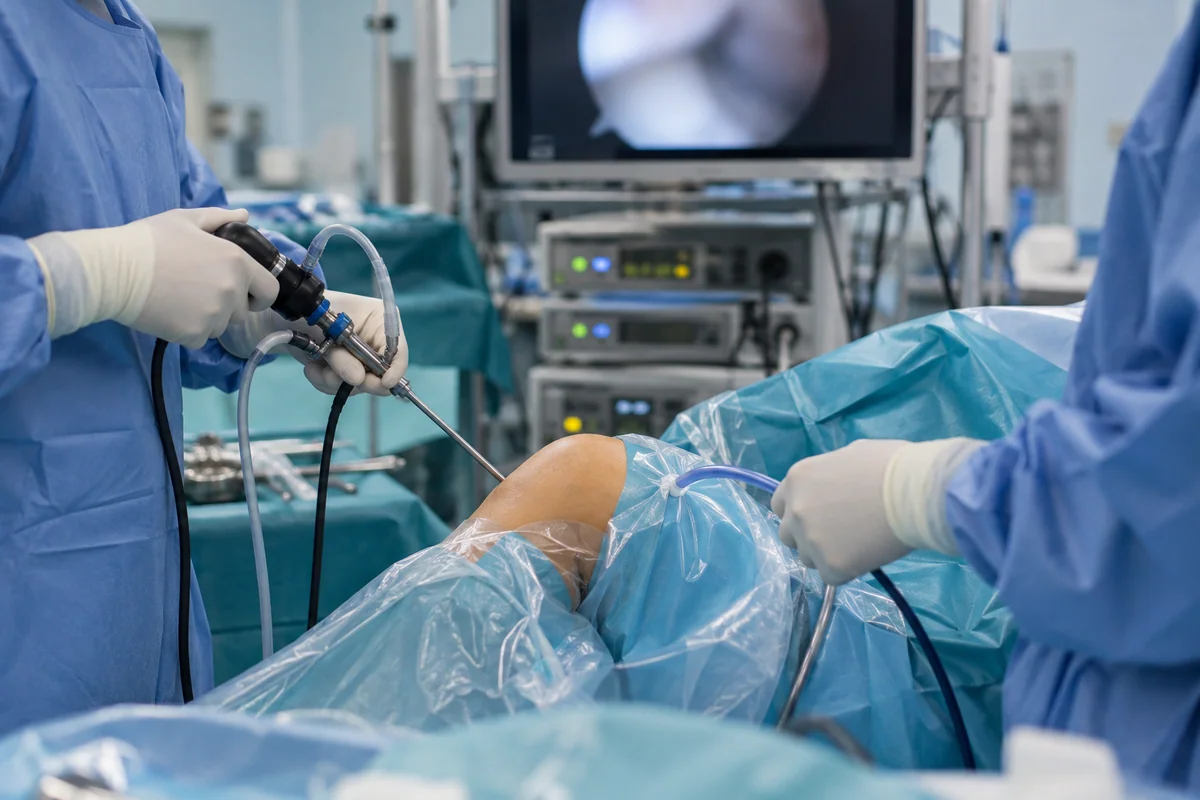
An arthroscope lets the surgeon view a joint through a small opening, with instruments used through other openings when treatment is required. The work inside may be very different between patients. Removing a loose fragment, repairing a meniscus and reconstructing a ligament do not share the same rehabilitation plan. Ask for the name and purpose of the proposed procedure, not just the word arthroscopy.
Medical background: [1]
Watch Dr Shahrukh explain
Which knee problems may be treated?
Arthroscopy can be used for selected meniscal injuries, loose bodies and ligament procedures. The decision depends on symptoms, examination and the structure involved. For example, a repair may require protection while tissue heals, whereas another procedure may permit a different progression. An abnormal scan alone is not enough to explain which procedure will help.
Medical background: [3]
What about shoulder symptoms?
Shoulder arthroscopy may be used for selected tendon or instability problems. Pain with overhead work, reduced strength, recurrent dislocation and stiffness raise different questions. Describe what happened and which movements are difficult. Bring prior imaging and physiotherapy records. Ask whether the proposed treatment addresses a tear, instability or another identified cause rather than assuming every painful shoulder needs the same operation.
Medical background: [1]
Understand the limits and alternatives
Physiotherapy, activity changes and suitable pain treatment may be appropriate before surgery. Arthroscopy is not a general solution for every painful or arthritic knee. The reasons for recommending it should be specific to the diagnosis and expected benefit. If arthritis is the main issue, ask whether the plan is aimed at the arthritis itself or at a separate treatable problem.
- What finding explains my symptoms?
- What is expected to improve after the proposed procedure?
- What non-surgical choices remain, and how would their success be assessed?
Prepare for the actual procedure
The team discusses anaesthesia, health checks and instructions about food, drink and regular medicines. Follow the hospital’s directions rather than changing medicines yourself. Arrange transport and any help needed after discharge. An estimate should identify the planned procedure and explain what is included if additional findings change the treatment. Keep a copy of the consent discussion and your questions.
Medical background: [2]
Small incisions can still mean substantial rehabilitation
Recovery depends on what is done inside the joint. Some patients need a sling, brace, crutches or restrictions while a repaired structure heals. Physiotherapy may progress from protected movement to strength and task-specific training. Ask about work, driving and exercise separately. The ability to move comfortably at home does not automatically mean that the repair is ready for heavy lifting or sport.
Aftercare and useful questions for your visit
Complications can include infection, bleeding, nerve symptoms and blood clots. Contact the treating team urgently for worsening pain, fever, wound discharge or concerning swelling after surgery. Chest pain or sudden breathlessness needs emergency assessment. At your consultation, explain your work duties and home support so the aftercare discussion is practical.
- For knee surgery: ask about permitted weight-bearing and whether a meniscus repair changes the plan.
- For shoulder surgery: ask about sling use, dressing and when you may use the arm for daily tasks.
- Ask who coordinates rehabilitation and which symptoms need an earlier review.
Medical background: [2]
Compare the procedure, not just the incision
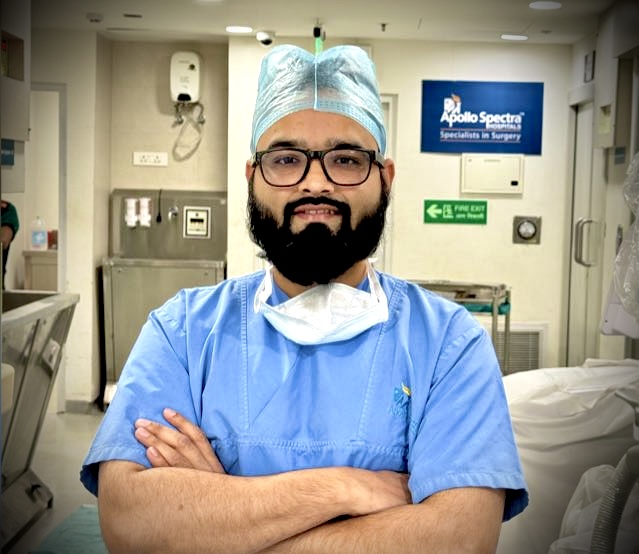
A useful treatment plan connects the diagnosis with your daily requirements. Bring these points to your discussion with Dr Shahrukh Khan.
- Ask what tissue will be repaired, removed or left alone.
- Ask how arthritis or other joint damage may limit the expected benefit.
- Confirm that rehabilitation instructions will name the procedure actually performed.
From Dr Shahrukh’s practice
Procedure photographs
Photographs supplied by Dr Shahrukh Khan. Open a photo to see the full image and caption. Procedure images do not predict an individual patient’s outcome.
Dr Shahrukh Khan performing knee arthroscopy.
AI-assisted screenshot cleanup removed the controls and play overlay; some image details may differ from the original.Dr Shahrukh Khan during a shoulder arthroscopy procedure.
Instrument setup for shoulder arthroscopy.
Operating theatre setup during shoulder arthroscopy.
Common questions
Is arthroscopy the same as replacement?
No. Arthroscopy is an approach to treating selected problems inside a joint; replacement substitutes damaged joint surfaces.
Will small cuts mean an immediate recovery?
No. The repaired tissue and procedure determine the pace of rehabilitation.
Can the surgeon promise a repair before assessing the tissue?
Ask which options are planned and what findings could change that plan. Suitability depends on the injury and tissue condition.
Can I arrange a second-opinion consultation?
Yes. Bring the original scans, earlier notes and the proposed procedure so the options can be discussed clearly.
Medical sources & further reading
- AAOS: Arthroscopy
- NHS: Arthroscopy and recovery
- AAOS: Knee arthroscopy
- AAOS: Knee osteoarthritis treatment choices
These updates are awaiting medical review by Dr Shahrukh Khan. It cannot diagnose your symptoms or replace a personalised clinical assessment. Editorial policy · About the doctor.