
Understanding the problem
The assessment considers the injury, the structures that stabilise the kneecap and any damage inside the joint. Repeated instability may have different contributing factors from a single traumatic event. Imaging may help clarify the pattern.
Care and next steps
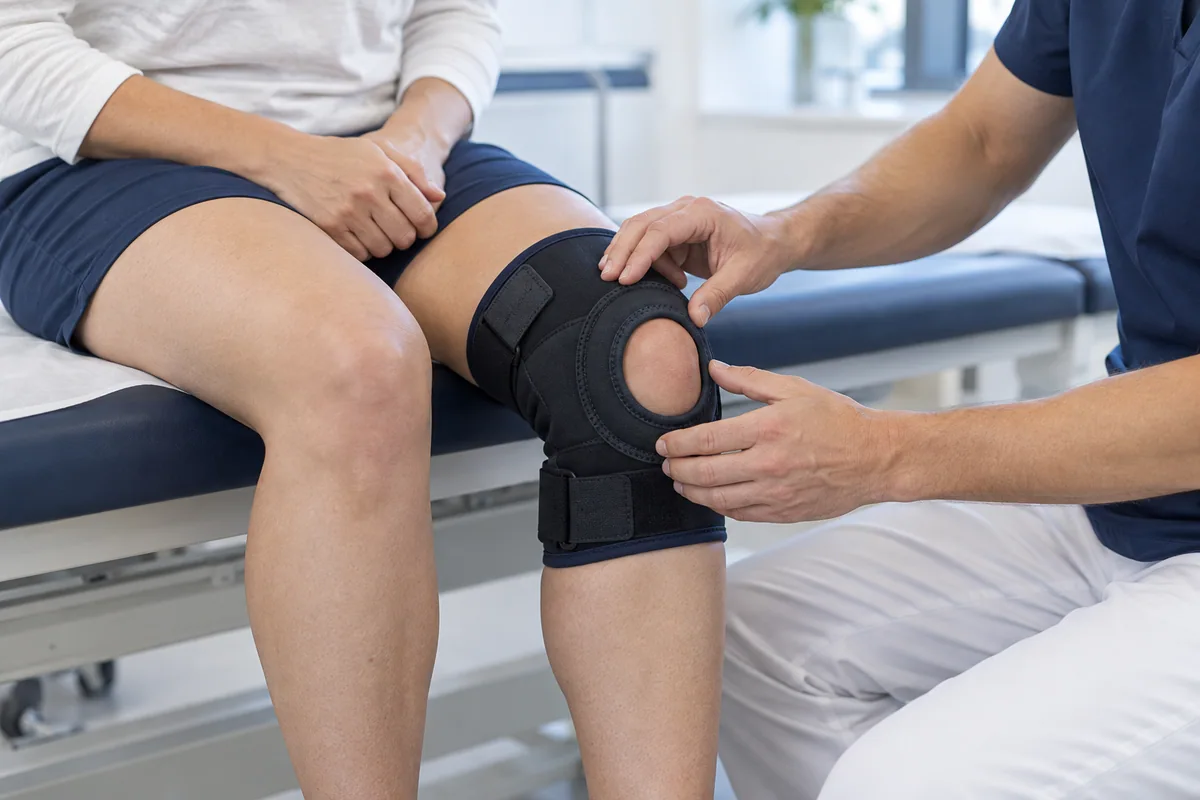
Care may involve temporary support and rehabilitation, with surgery considered in selected situations. The aim is to address instability and function, not just the appearance of the kneecap. Ask how the plan accounts for your particular anatomy and activity.
Prepare for your consultation
Describe each episode, whether the kneecap returned spontaneously and what treatment followed. Bring earlier scans and note any family history of similar problems. Ask which activities are appropriate during recovery, what progress should look like and when recurrent slipping changes the plan. Record episodes rather than repeatedly provoking the sensation to show that the knee is unstable.
Common questions
Does every first dislocation require surgery?
No. Associated damage, anatomy and clinical findings guide the individual recommendation.
Medical sources & further reading
This patient education guide was approved for publication by Dr Shahrukh Khan on 11 September 2026. It cannot diagnose your symptoms or replace a personalised clinical assessment. Editorial policy · About the doctor.