
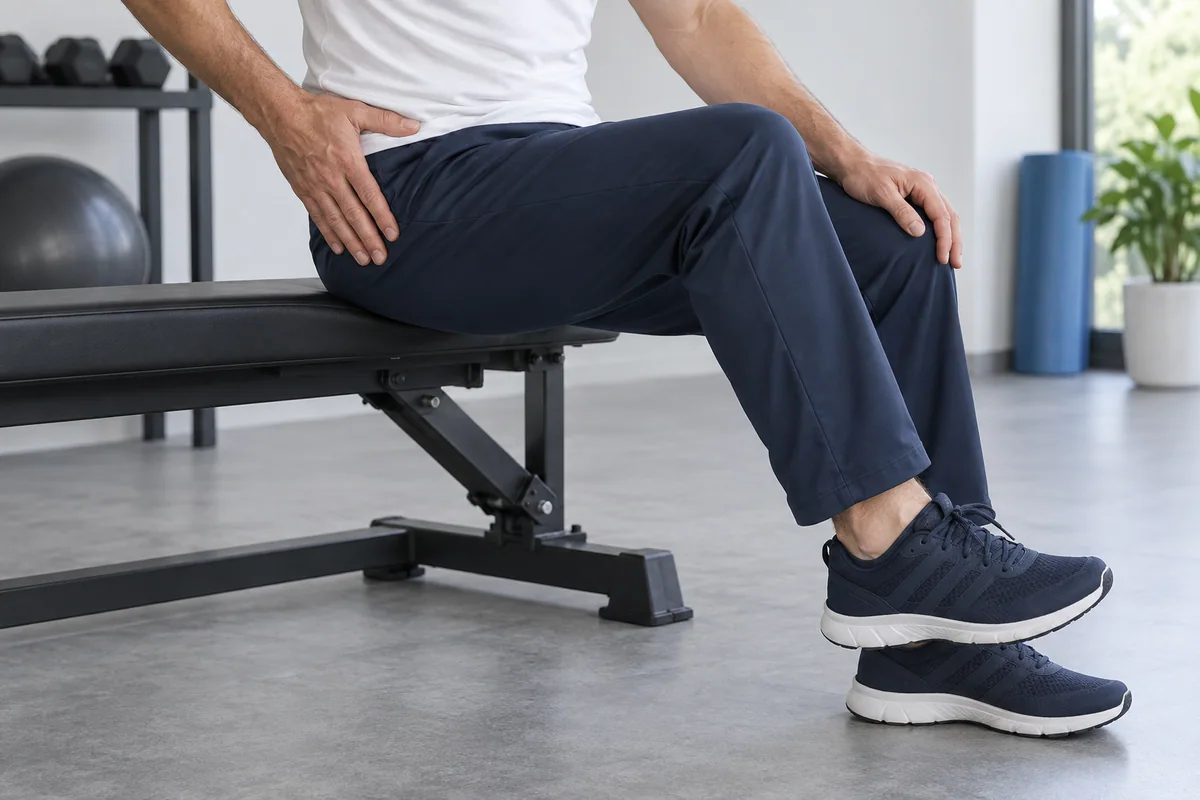
Understanding the problem
The extra contact can affect the joint's cartilage or labrum. Assessment considers movements that trigger symptoms and uses imaging where appropriate. Hip shape alone does not tell the clinician how much it is affecting your daily life.
Care and next steps
Activity changes, suitable symptom relief and physiotherapy may be considered. Surgery is an option for selected persistent problems after assessment. The plan should explain what is being treated and what improvement is realistic for your activities.
Prepare for your consultation
Describe the depth and location of pain and whether it appears with sitting, squatting or sport. Bring previous hip scans and a record of rehabilitation already tried. Ask which findings support FAI as the cause rather than another source of groin pain. If surgery is discussed, clarify the proposed procedure and rehabilitation requirements before assuming that a small incision means a quick return.
Common questions
Does an unusual hip shape on a scan always need surgery?
No. Symptoms, examination and the response to suitable non-surgical care all matter.
Medical sources & further reading
This patient education guide was approved for publication by Dr Shahrukh Khan on 11 September 2026. It cannot diagnose your symptoms or replace a personalised clinical assessment. Editorial policy · About the doctor.