Understanding the problem
The clavicle links the upper limb to the trunk. A visible bump may occur after a break, but appearance alone does not determine treatment. Skin threatened by a fragment, an open injury, breathing difficulty or nerve symptoms requires urgent attention.
Care and next steps
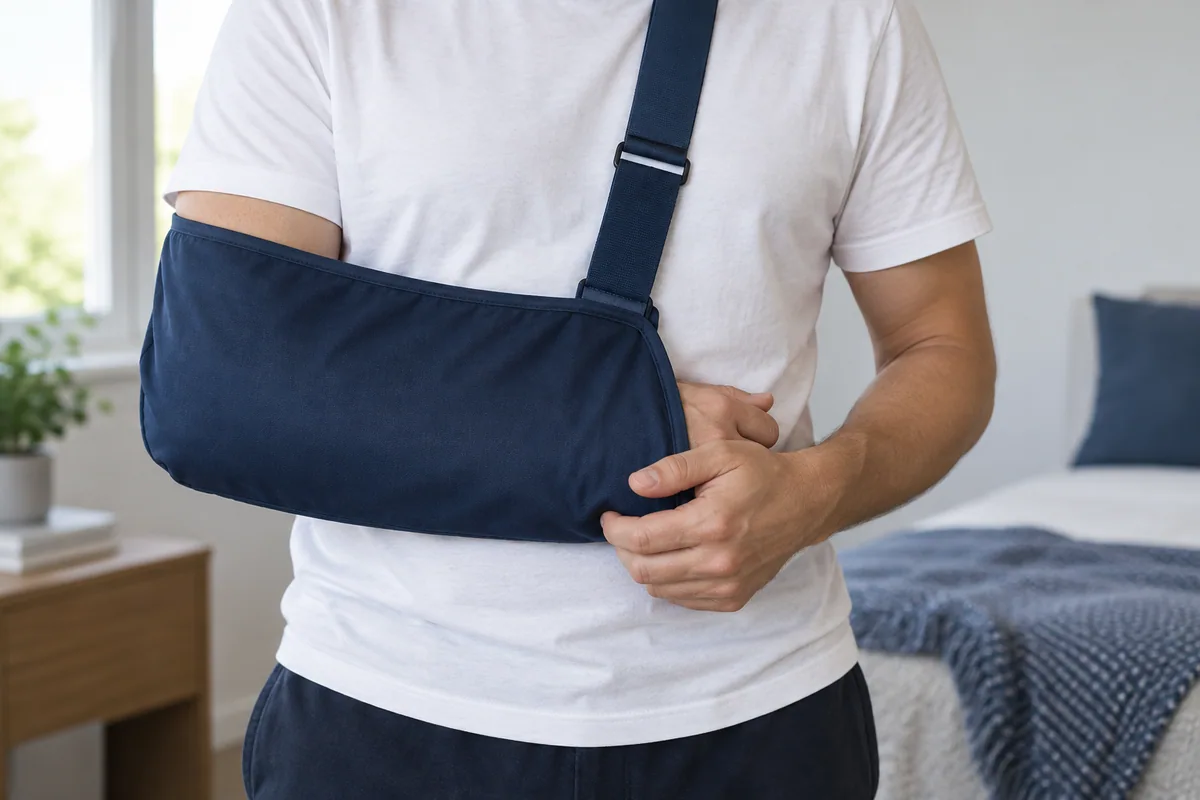
Follow instructions about sling use and permitted movement. Return to lifting or contact sport depends on healing and function. Do not stop support solely because the pain improves or try to manipulate a prominent area yourself.
Prepare for your consultation
Describe the fall, any other painful area and whether you had previous shoulder problems. Bring X-rays and ask what features favour the recommended treatment. Explain the physical demands of work or sport. Request guidance about dressing, sleep, exercises and review timing so that the plan is practical. If considering surgery, ask about implant-related issues as well as the expected benefit.
Common questions
Does a bump always mean the bone has healed badly?
No. The significance depends on alignment, healing and symptoms, which should be assessed together.
Medical sources & further reading
This patient education guide was approved for publication by Dr Shahrukh Khan on 11 September 2026. It cannot diagnose your symptoms or replace a personalised clinical assessment. Editorial policy · About the doctor.