
Understanding the problem
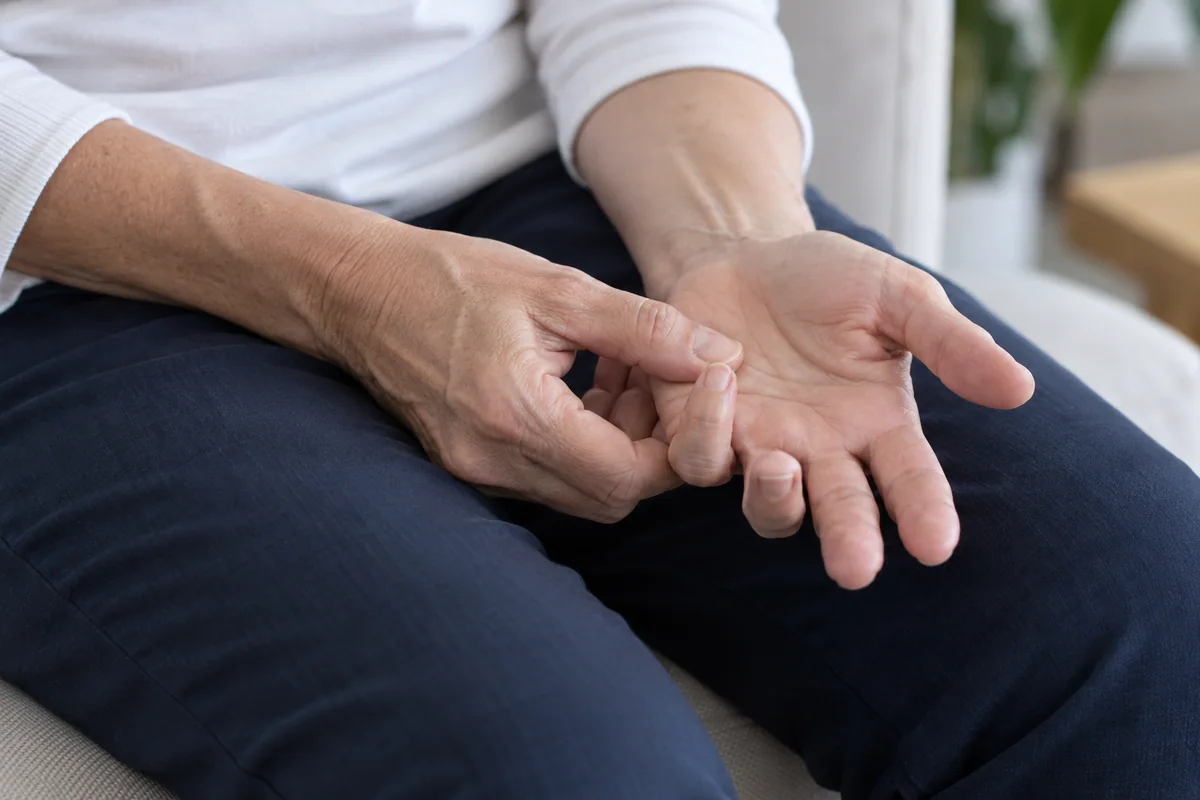
Symptoms may include discomfort near the base of the finger and stiffness, particularly after rest. Tell the clinician whether the finger releases by itself or needs help to straighten. Do not repeatedly force a locked finger to demonstrate the problem; describing the pattern is useful.
Care and next steps
Care may involve reducing aggravating activity, splinting, an injection or a release procedure when indicated. The right choice depends on symptoms and the response to previous treatment. Discuss any diabetes or other relevant health conditions because they may affect treatment planning.
Prepare for your consultation
Record which digit is affected, how often it catches and which tasks are difficult. Bring a list of previous injections or procedures, including approximate dates. Ask about the goals and limitations of each option, whether work restrictions are needed and how follow-up will be arranged. If several fingers are involved, mention them all rather than focusing only on the most painful one.
Common questions
Is trigger finger the same as arthritis?
No. Trigger finger concerns tendon movement, although a person can have more than one hand condition at the same time.
Medical sources & further reading
This patient education guide was approved for publication by Dr Shahrukh Khan on 11 September 2026. It cannot diagnose your symptoms or replace a personalised clinical assessment. Editorial policy · About the doctor.