Understanding the problem
A disc problem can be one cause of nerve irritation. Your clinician checks the symptom pattern and neurological function. New bladder or bowel problems, numbness around the groin or symptoms affecting both legs require emergency assessment, not a routine appointment.
Care and next steps
Many cases are managed without surgery using advice on activity, suitable pain relief and rehabilitation. Persistent or severe symptoms may need further investigation or specialist treatment. The plan depends on findings rather than the word sciatica alone.
Prepare for your consultation
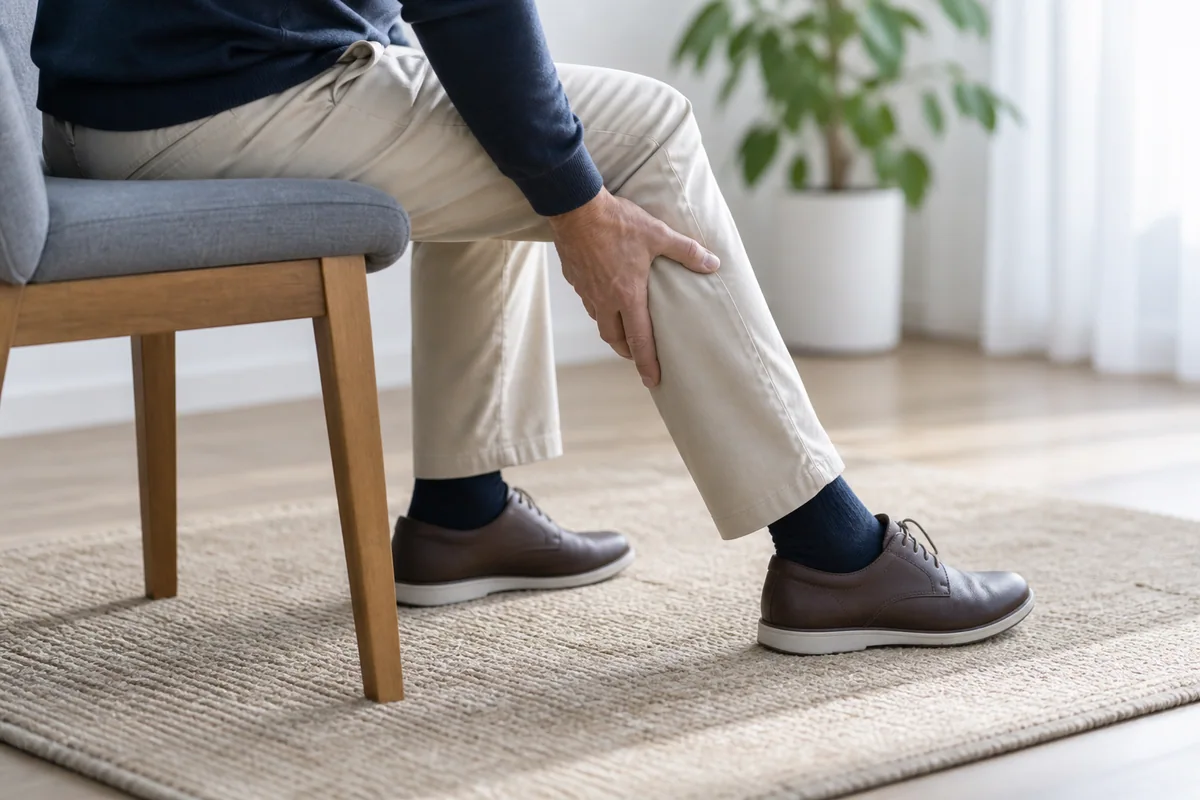
Map where symptoms start and travel, and note any weakness or change in sensation. Explain whether sitting, walking or coughing changes the pain. Bring existing scans rather than arranging new ones without advice. Ask what progress is expected, what activities are appropriate and which changes should trigger urgent care. If your work involves long drives, mention the actual duration and available breaks.
From Dr Shahrukh’s practice
Procedure photographs
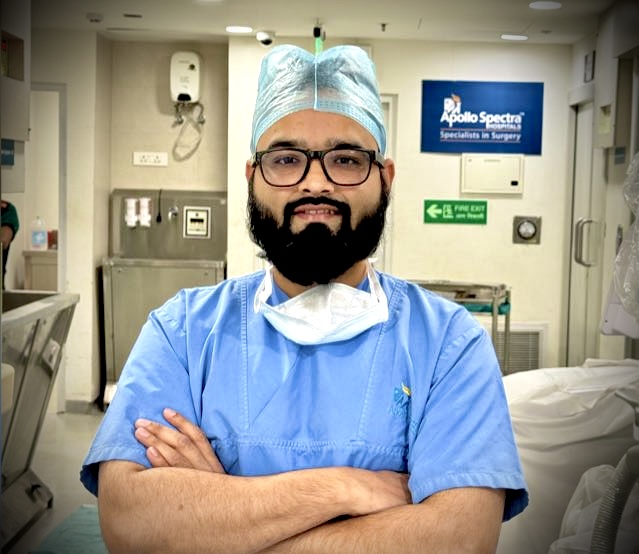
Photographs supplied by Dr Shahrukh Khan. Open a photo to see the full image and caption. Procedure images do not predict an individual patient’s outcome.
Dr Shahrukh Khan performing a fluoroscopy-guided transforaminal epidural steroid injection (TFESI).
Supplied collage includes the procedure and fluoroscopic views.Common questions
Does sciatica always need surgery?
No. Treatment is individual, and many people are managed without an operation.
Medical sources & further reading
This patient education guide was approved for publication by Dr Shahrukh Khan on 11 September 2026. It cannot diagnose your symptoms or replace a personalised clinical assessment. Editorial policy · About the doctor.