
Understanding the problem
Some tears are partial and others extend through the tendon. Examination checks strength and movement; imaging can clarify the injury. Sudden weakness after trauma deserves timely assessment. Explain whether lifting is limited by pain, loss of power or both.
Care and next steps
Rehabilitation and suitable pain relief can help selected patients. Repair may be discussed for particular tears or persistent functional problems. A repaired tendon needs protection and rehabilitation, so a small incision does not imply an immediate return to heavy lifting.
Prepare for your consultation
Bring the scan images and describe your work, sport and dominant arm. Ask what a non-surgical plan can reasonably achieve and what repair would involve. Discuss whether waiting changes your options, and request clear instructions for the interval before review. If you live alone, explain which daily tasks would be difficult while using a sling so practical arrangements can be planned.
Common questions
Does every full-thickness tear need repair?
No. The recommendation depends on the individual clinical picture and a discussion of benefits, limitations and alternatives.
Medical sources & further reading
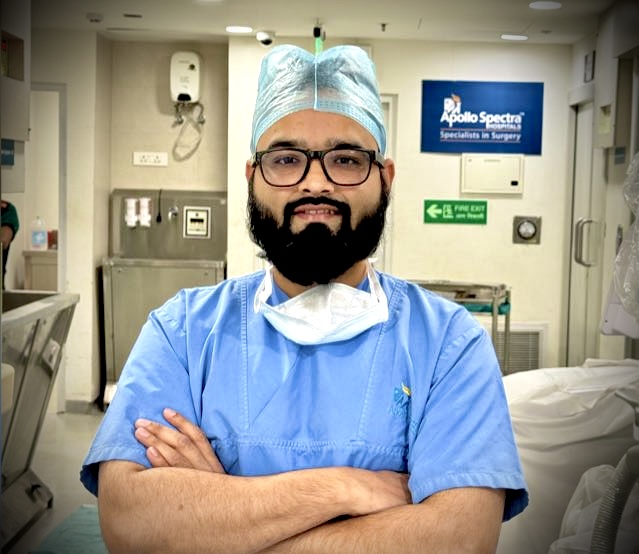
This patient education guide was approved for publication by Dr Shahrukh Khan on 11 September 2026. It cannot diagnose your symptoms or replace a personalised clinical assessment. Editorial policy · About the doctor.