Understanding the problem
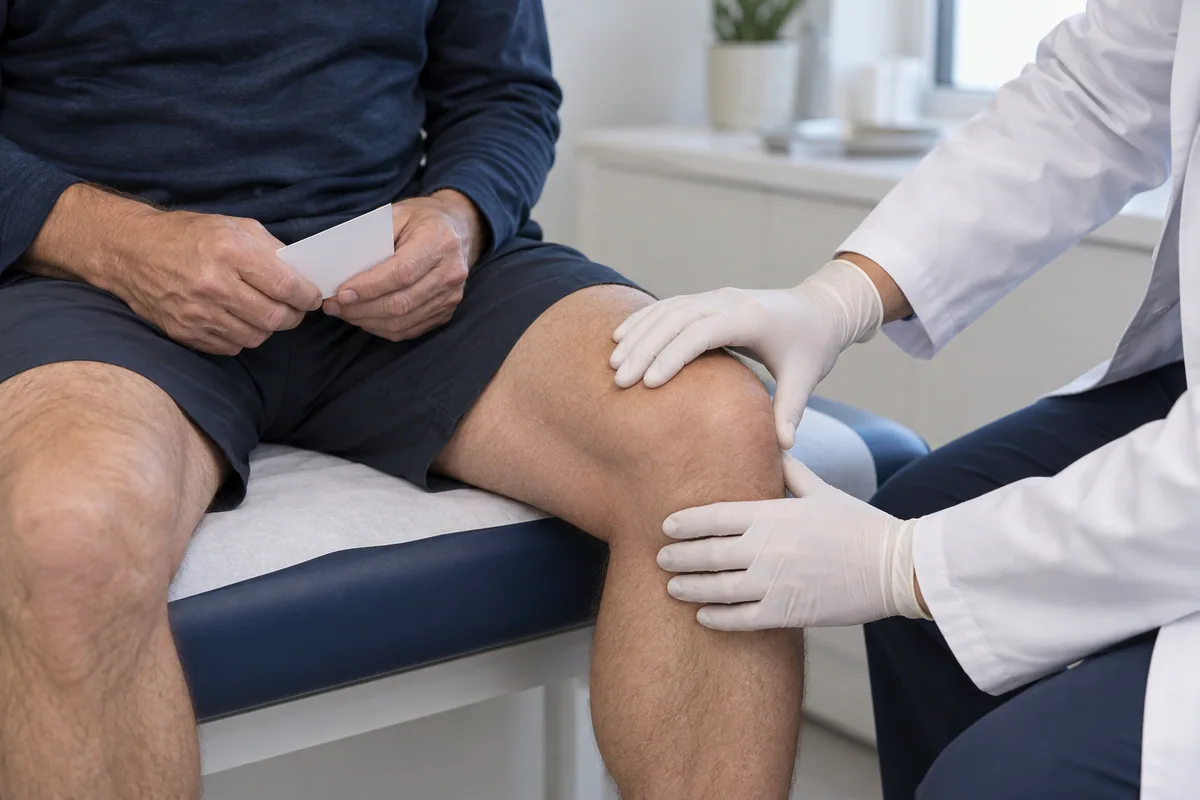
A useful discussion starts with a diagnosis and the specific reason PRP is proposed. Studies of one condition do not automatically establish benefit for another. Ask how the evidence applies to your problem rather than relying on the term regenerative.
Care and next steps
Compare expected benefit, uncertainty, cost and alternatives. Ask whether rehabilitation is part of the plan and how response will be assessed. Do not assume that a course of injections is necessary before the diagnosis and goals have been explained.
Prepare for your consultation
Request the proposed number of treatments, total estimated cost and what happens if there is no benefit. Bring previous imaging and treatment records. Ask which medicines or health factors require discussion before the procedure, without changing them yourself. Agree on a review point and practical outcome, such as a specific activity, so improvement is judged clearly rather than by a vague promise of healing.
Common questions
Does PRP guarantee cartilage regrowth?
No. Claims should be specific to the condition and supported by appropriate evidence.
Medical sources & further reading
This patient education guide was approved for publication by Dr Shahrukh Khan on 11 September 2026. It cannot diagnose your symptoms or replace a personalised clinical assessment. Editorial policy · About the doctor.