Understanding the problem
Arthroscopy may be used for certain labral or impingement-related problems. A clinician reviews symptoms, examination and imaging before recommending it. The presence of pain alone does not identify the right operation.
Care and next steps
Discuss non-surgical care and the expected limits of any procedure. Ask whether arthritis or other findings make arthroscopy less suitable. Recovery requirements depend on the specific treatment performed, not simply the size of the incisions.
Prepare for your consultation
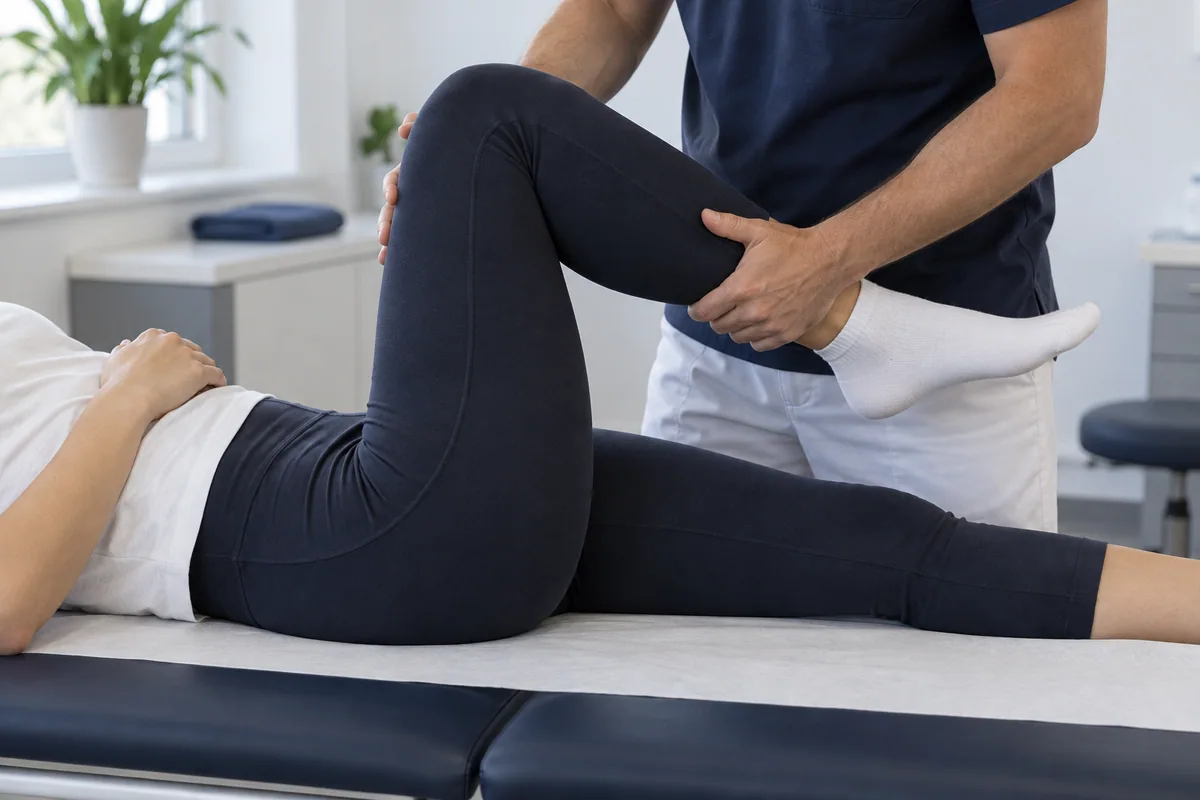
Bring the actual scans and describe the positions or activities that provoke groin or hip symptoms. Ask the surgeon to explain the problem on the images and link it to your symptoms. Clarify the purpose of the proposed operation, any alternative and what would count as a useful improvement for you. Request practical guidance about crutches, work and rehabilitation before scheduling treatment.
First establish what is causing the pain
Ask which findings suggest a problem suitable for arthroscopy and which indicate more extensive joint damage. Arthroscopy and replacement are not simply smaller and larger versions of the same treatment. An assessment should explain the reason for recommending either, or neither.
Compare the proposed benefit
Use these questions to make the consultation specific to your situation.
- Which symptom is this operation expected to improve?
- What features could limit that benefit?
- What non-surgical options and follow-up remain reasonable?
Common questions
Is arthroscopy a smaller version of hip replacement?
No. It treats different problems and preserves the existing joint rather than replacing its surfaces.
Medical sources & further reading
These updates are awaiting medical review by Dr Shahrukh Khan. It cannot diagnose your symptoms or replace a personalised clinical assessment. Editorial policy · About the doctor.