If your orthopaedic surgeon has recommended arthroscopy, you probably have many questions. What exactly is arthroscopy? How does it work? What can it treat? Will it hurt? When can you get back to normal? This comprehensive guide answers all these questions.
As a fellowship-trained arthroscopic surgeon in Delhi, I perform arthroscopy of the knee, shoulder, and hip regularly. I find that well-informed patients have better outcomes and recover more confidently – so here is everything you need to know.
What is Arthroscopy?
The word "arthroscopy" comes from Greek: arthro (joint) + skopein (to look). Arthroscopy is a minimally invasive surgical procedure in which a tiny camera – called an arthroscope – is inserted into a joint through a small incision (usually 5–10 mm). The camera transmits a magnified video image to a screen, allowing the surgeon to examine the joint in extraordinary detail.
If treatment is needed, additional small instruments are inserted through 1–2 more small incisions to perform the required repair. All of this happens without opening the joint with a large incision.
How is Arthroscopy Different from Open Surgery?
| Feature | Arthroscopy | Open Surgery |
|---|---|---|
| Incision Size | 2–3 tiny cuts (5–10 mm each) | One large cut (5–20 cm) |
| Hospital Stay | Day-care or 1 night | 2–5 days typically |
| Pain (post-op) | Mild – controlled with oral medications | Significant – may need stronger painkillers |
| Infection Risk | Very low | Higher (larger wound) |
| Scarring | Minimal (tiny scars) | Visible scar |
| Recovery Time | Faster | Longer |
| Return to work | 1–2 weeks (desk job) | 3–6 weeks |
What Conditions Can Be Treated with Arthroscopy?
Knee Arthroscopy
- ACL reconstruction (most common knee arthroscopy)
- PCL, MCL reconstruction
- Meniscus repair or partial meniscectomy
- Cartilage surgery (microfracture, OATS)
- Patella realignment
- Removal of loose bodies
- Joint washout for infection
Shoulder Arthroscopy
- Rotator cuff repair
- Bankart repair (for shoulder instability)
- SLAP lesion repair
- Subacromial decompression
- Frozen shoulder release (capsulotomy)
- AC joint resection
What Happens During Arthroscopy?
Before Surgery: You'll be asked to fast for 6–8 hours. Blood tests and anaesthetic assessment are done. You will sign a consent form after a detailed discussion with your surgeon.
Anaesthesia: Knee arthroscopy is usually performed under spinal anaesthesia (you are awake but cannot feel below the waist). Shoulder arthroscopy uses general anaesthesia with a nerve block. The anaesthetic team will explain and discuss the best option for you.
The Procedure: The joint is filled with saline (salt water) to expand it and improve visibility. The arthroscope is inserted through the first tiny incision. The surgeon examines all structures systematically on the monitor. If treatment is required, specialised instruments are introduced through additional incisions. At the end, the instruments are removed, the saline is drained, and the small incisions are closed with 1–2 stitches each.
Duration: 30 minutes (simple meniscectomy) to 90 minutes (complex ACL + meniscus repair).
Award-Winning Expertise: Dr. Shahrukh Khan won 1st Prize in the Endoscopic Surgery competition at the MAMC Advanced Surgical Skills Course 2019 – reflecting his early dedication to mastering minimally invasive techniques.
What to Expect After Arthroscopy
Day of Surgery
- Recovery room for 1–2 hours
- Ice pack on the joint to reduce swelling
- Elevation of the limb
- Oral pain medication started
- Most knee arthroscopy patients go home the same day or the following morning
Week 1–2
- Rest with the leg elevated as much as possible
- Ice application for 20 minutes, 3–4 times a day
- Keep wound dry until sutures are removed (day 10–14)
- Crutches may be needed for 1–2 weeks depending on procedure
- Begin physiotherapy exercises as instructed
Return to Activity
- Desk work: 1–2 weeks
- Driving: 2–4 weeks
- Light sport (cycling, swimming): 4–8 weeks
- Contact sport after ACL: 9–12 months
Questions to Ask Before Your Arthroscopy
- What exactly will you be looking for or treating?
- What are the possible findings and how will that change the plan?
- What type of anaesthesia will be used?
- How long will I be in hospital?
- When can I drive / return to work / return to sport?
- What are the risks specific to my procedure?
- What physiotherapy will I need afterwards?
Arthroscopy has revolutionised orthopaedic surgery over the last 30 years. What once required large incisions and lengthy hospital stays can now be done through tiny cuts in a few hours. If you've been told you might need arthroscopy, feel free to come and see me – I am happy to explain whether it's the right option for you.
Need an Orthopaedic Consultation?
Dr. Shahrukh Khan is available at Dashvanth Healthcare (Geeta Colony, Mon-Sat 5-8 PM) and Apollo Spectra Karol Bagh (Mon/Wed/Fri 12-3 PM).
WhatsApp Dr. Shahrukh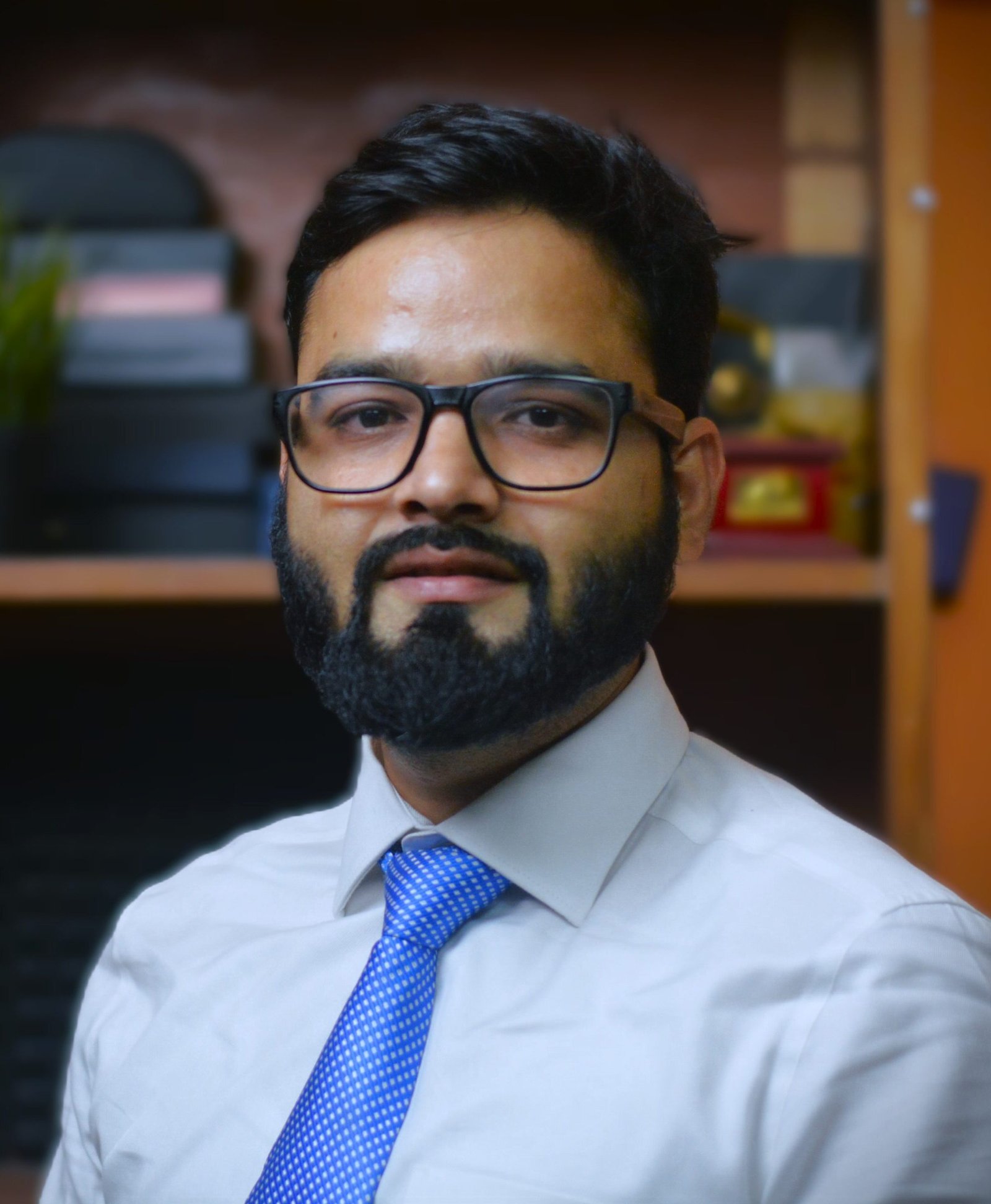
Dr. Shahrukh Khan
MS Ortho, DNB, MNAMS, FIJR, FIASM, Dip FIFA Sports Medicine
Orthopedic Surgeon with 10+ years experience in Delhi. Specialist in Knee & Hip Replacement, Arthroscopy and Sports Medicine. Available at Dashvanth Healthcare (Geeta Colony) and Apollo Spectra (Karol Bagh).
Book a consultation →