Knee injuries are among the most common sports injuries I treat in Delhi. Two of the most frequently confused conditions are ACL (Anterior Cruciate Ligament) tears and meniscus tears. Both cause knee pain, swelling, and difficulty bearing weight – but they are different structures, need different treatments, and have different recovery timelines.
As a FIFA-certified sports medicine specialist, I diagnose and treat both conditions regularly. Here is everything you need to know to tell them apart.
What is the ACL?
The ACL (Anterior Cruciate Ligament) is one of four major ligaments stabilising the knee. It runs diagonally through the middle of the knee and prevents the tibia (shin bone) from sliding forward relative to the femur (thigh bone). It is crucial for rotational stability and is commonly injured in sports involving sudden stops, pivoting, or jumping – like football, basketball, cricket, and badminton.
What is the Meniscus?
The meniscus consists of two C-shaped cartilage discs (medial and lateral) that sit between the femur and tibia. They act as shock absorbers, distribute weight across the knee, and provide stability. Meniscus tears can occur from twisting injuries, squatting, or degeneration in older patients.
ACL Tear vs Meniscus Tear: Key Differences
| Feature | ACL Tear | Meniscus Tear |
|---|---|---|
| Mechanism | Sudden pivot, stop, or non-contact landing | Twisting with foot planted; deep squat; degeneration |
| Sound at injury | Often a loud "pop" | May have a pop, often no audible sound |
| Swelling | Rapid (within 2–4 hours, haemarthrosis) | Slower (within 24 hours) |
| Instability | Prominent – giving way, feeling of looseness | Less common (unless large tear) |
| Locking | Uncommon | Can occur with displaced (bucket-handle) tears |
| Pain location | Diffuse; deep inside the knee | Medial or lateral joint line tenderness |
| Diagnosis | Clinical tests (Lachman, Anterior Drawer) + MRI | Clinical tests (McMurray, Thessaly) + MRI |
| Treatment | Reconstruction (for active patients); rehab for older/sedentary | Repair or partial removal (meniscectomy) |
| Surgery | ACL reconstruction (arthroscopic) | Arthroscopic repair or meniscectomy |
| Return to sport | 9–12 months | 4–8 weeks (meniscectomy); 3–4 months (repair) |
Can You Have Both at the Same Time?
Yes – combined ACL and meniscus tears are very common. Studies show that 30–50% of ACL tears have a concurrent meniscus injury. This is called a "combined ligament-meniscus injury" and often requires both the ACL reconstruction and meniscus repair to be performed in the same surgical sitting.
Clinical Pearl: Rapid swelling (within 2 hours) after a knee injury almost always means a haemarthrosis (blood in the joint), which strongly suggests ACL rupture. Delayed swelling is more typical of a meniscal tear or ligament sprain.
How Are They Diagnosed?
Clinical Examination: Specific tests help differentiate the two:
- ACL: Lachman test, Anterior Drawer test, Pivot Shift test
- Meniscus: McMurray test, Apley Grind test, Thessaly test, Joint line tenderness
MRI Scan: MRI is the gold standard for diagnosing both ACL and meniscal tears. It shows the exact location, type, and extent of the tear, helping plan the appropriate surgery.
Treatment: ACL Tear
Not all ACL tears need surgery. In older, less active patients, a well-designed physiotherapy programme can often restore adequate knee function. However, for young and active patients – especially those who play sports involving pivoting and cutting – arthroscopic ACL reconstruction is recommended. The torn ligament is replaced with a graft (usually hamstring or patellar tendon) to restore knee stability.
Treatment: Meniscus Tear
Treatment depends on the type and location of the tear:
- Small, stable tears in the outer zone: May heal with physiotherapy and time
- Large tears, bucket-handle tears, or locked knees: Arthroscopic surgery – either repair (stitching the meniscus back) or partial meniscectomy (removing the torn portion)
- Degenerative tears in older patients: Often managed conservatively first
When to See a Doctor
See an orthopaedic surgeon if you have:
- A knee injury during sports with immediate swelling
- Inability to bear full weight on the knee
- A sense of the knee "giving way" or feeling unstable
- Knee pain that does not improve within 1–2 weeks
- Locking of the knee (inability to fully straighten)
Need an Orthopaedic Consultation?
Dr. Shahrukh Khan is available at Dashvanth Healthcare (Geeta Colony, Mon-Sat 5-8 PM) and Apollo Spectra Karol Bagh (Mon/Wed/Fri 12-3 PM).
WhatsApp Dr. Shahrukh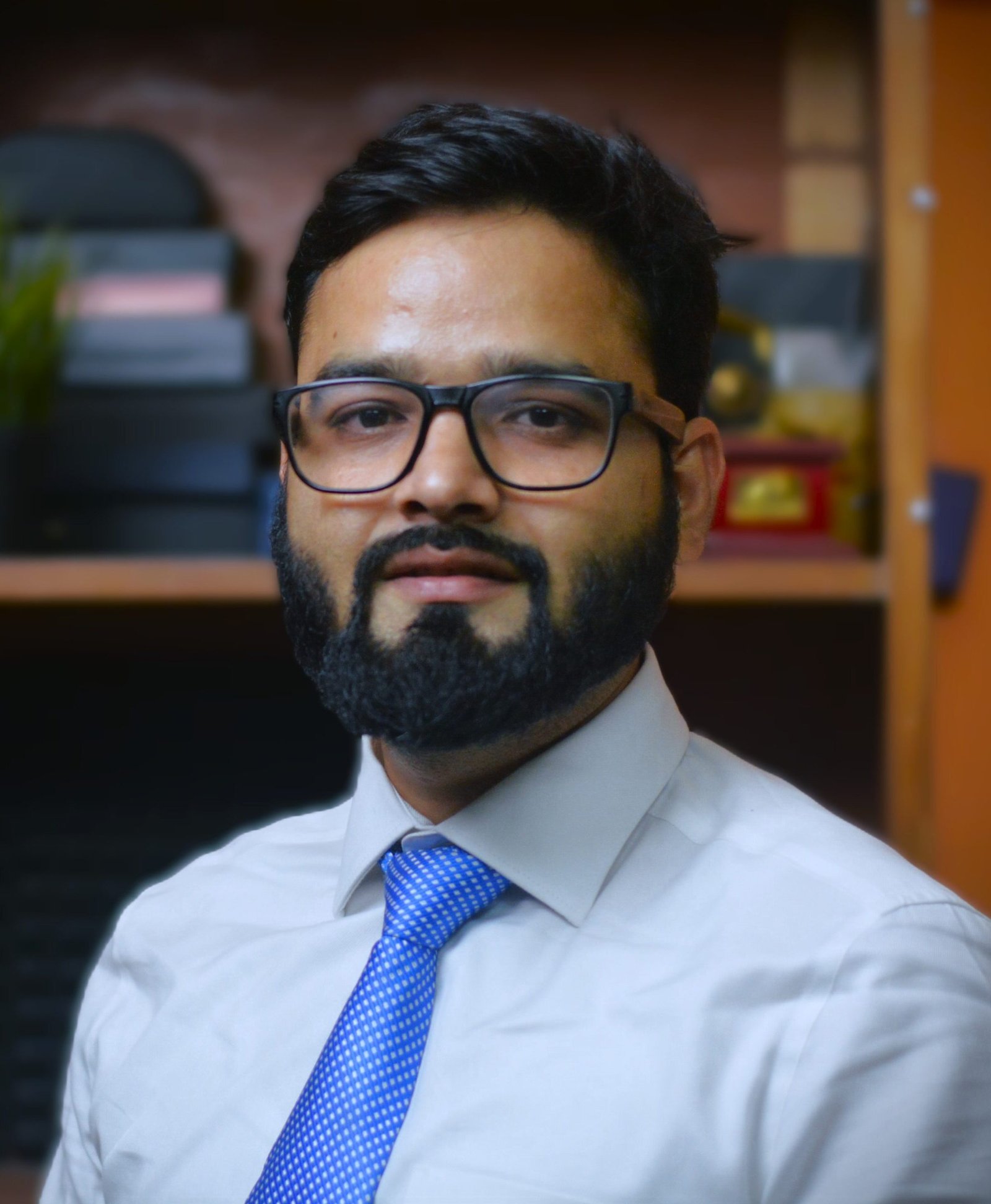
Dr. Shahrukh Khan
MS Ortho, DNB, MNAMS, FIJR, FIASM, Dip FIFA Sports Medicine
Orthopedic Surgeon with 10+ years experience in Delhi. Specialist in Knee & Hip Replacement, Arthroscopy and Sports Medicine. Available at Dashvanth Healthcare (Geeta Colony) and Apollo Spectra (Karol Bagh).
Book a consultation →